PMI Poland Chapter
27–28 November, Warsaw – the biggest project management event in Central Europe
People, Products, AI
Gain strategies, tools & insights from world-class experts to boost your projects and career.
Explore the secrets of effective project management
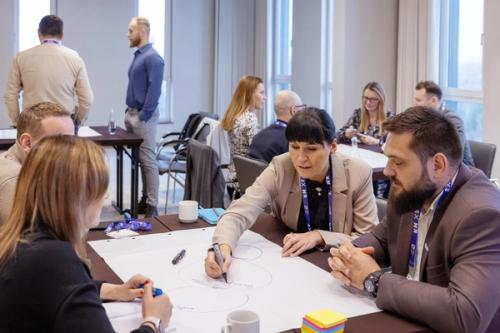
Participate in inspiring trainings and workshops to gain skills for effective working and management, and grew on your professional journey.

Learn new insights & tools
Over 30 prominent speakers & experts qualified to teach about new methods & sharing their unique expertise.

Grow your network
Joining PMI Congress means connecting with over 300 Project Management Professionals.

Discover new skills & drive
Connect with fellow Project Management enthusiasts and get inspired to improve your management skills.
Explore the Agenda
Two days packed with keynotes, workshops, and discussions.
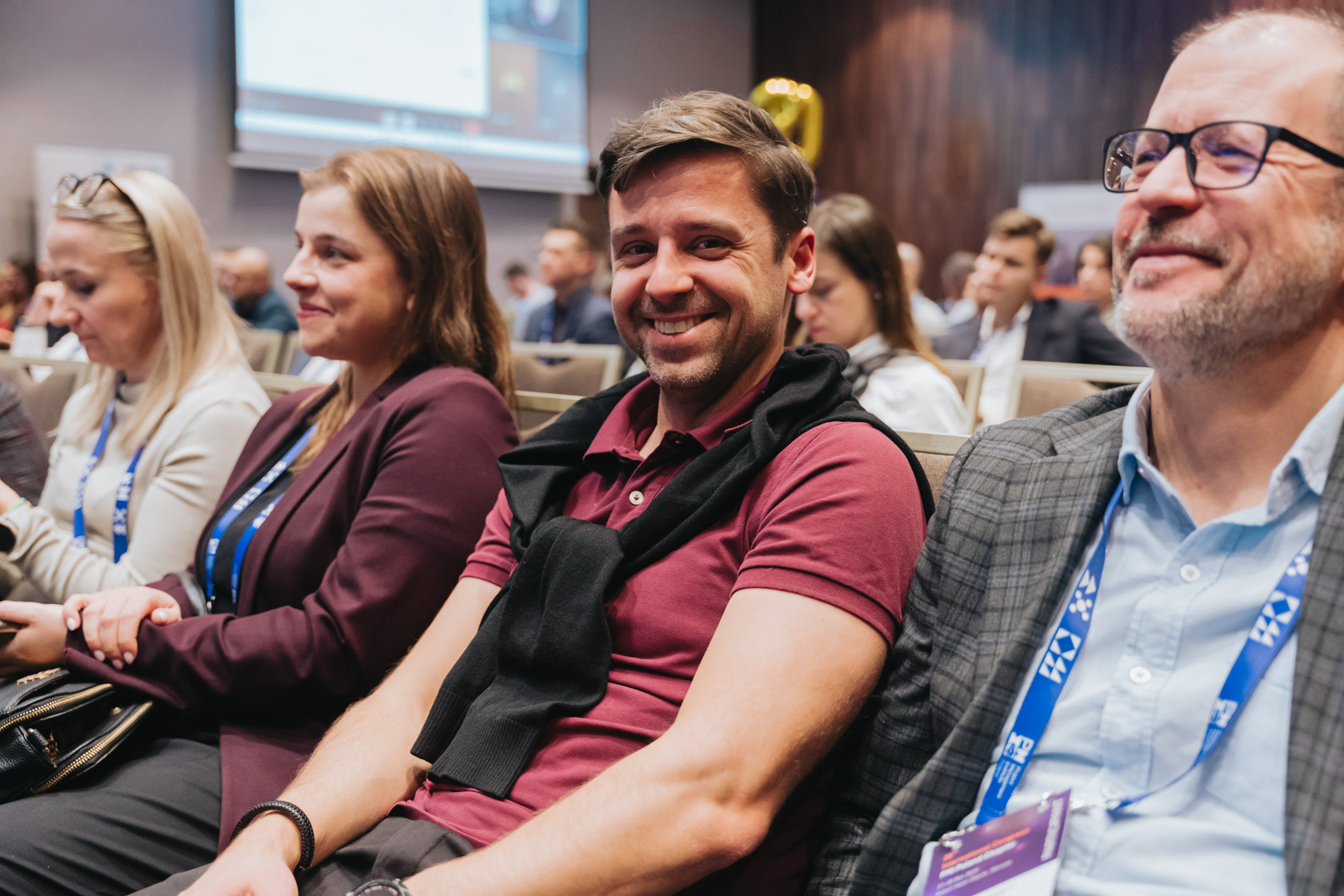
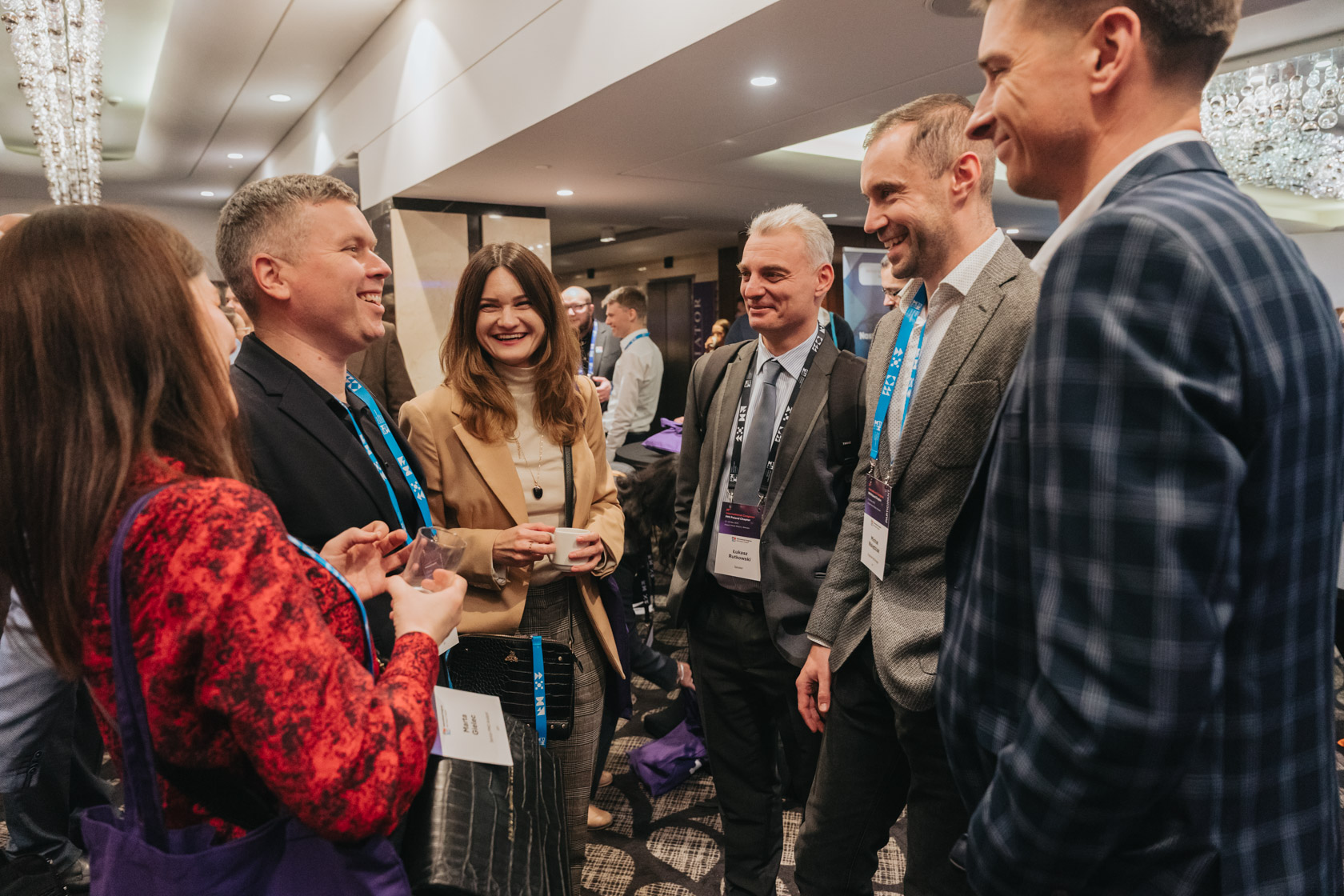
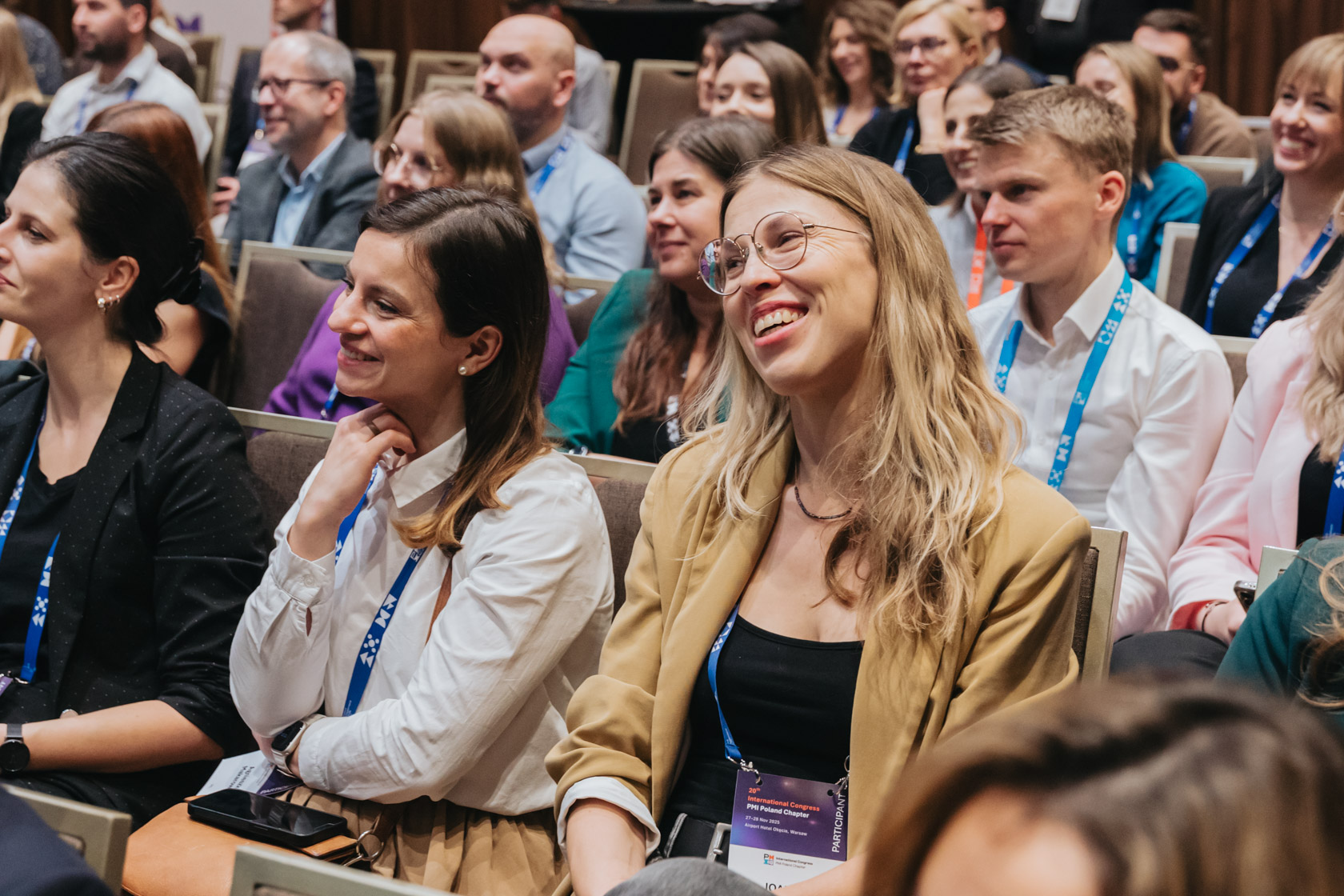
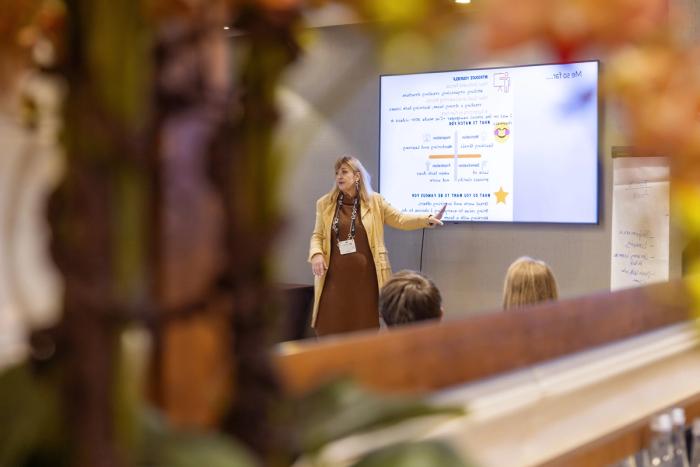
We create memories that last
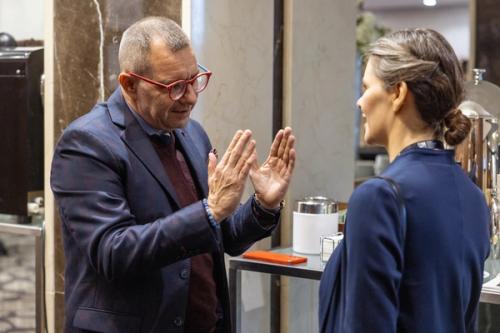
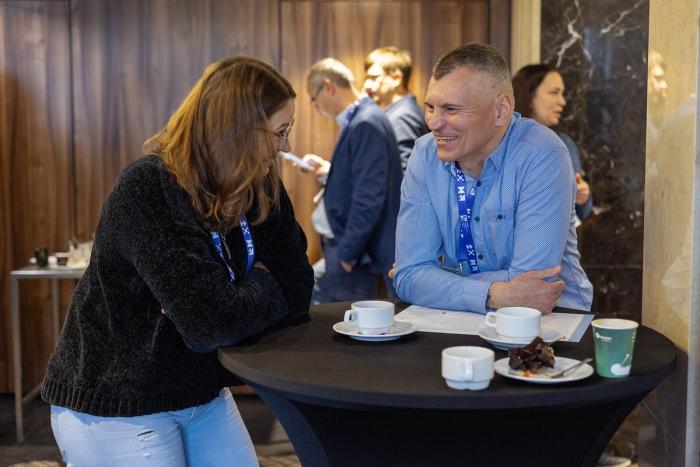
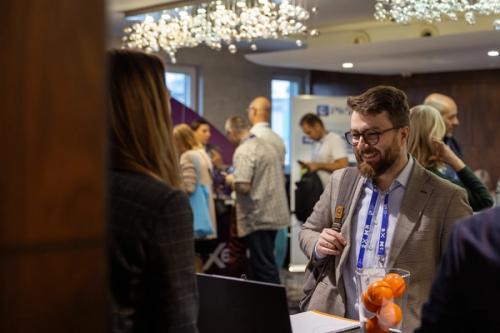
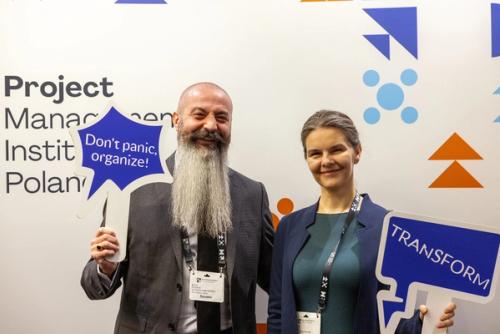
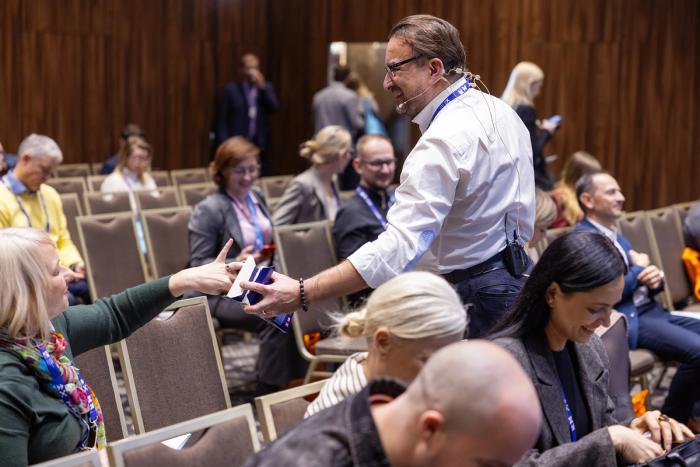
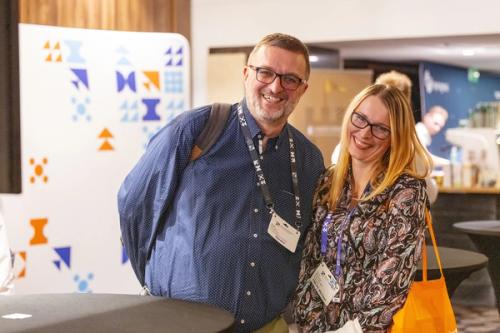
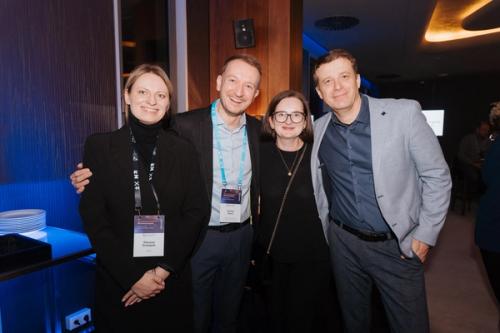
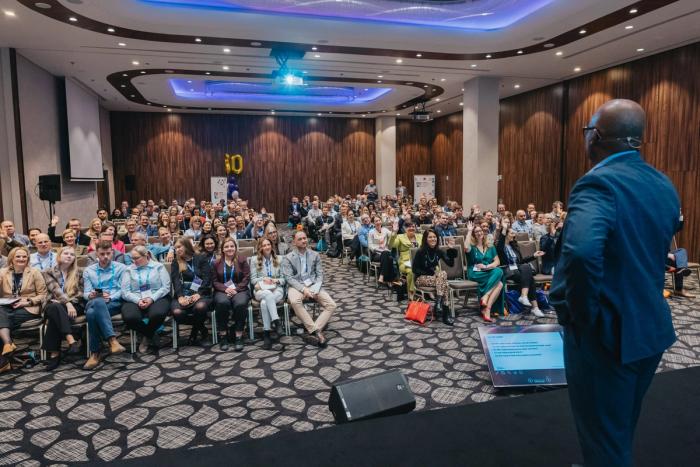
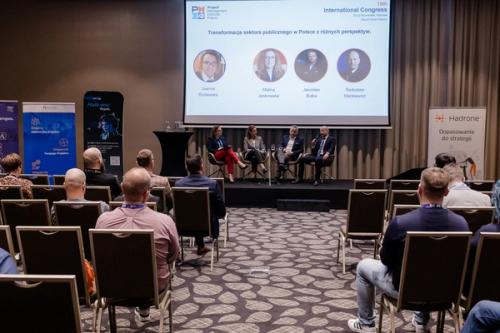
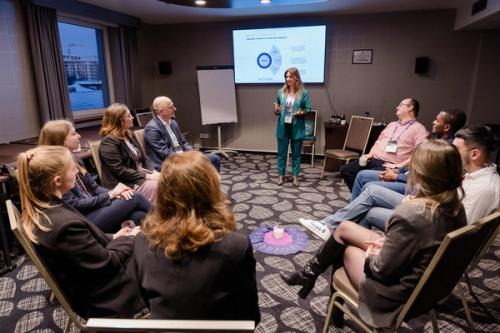
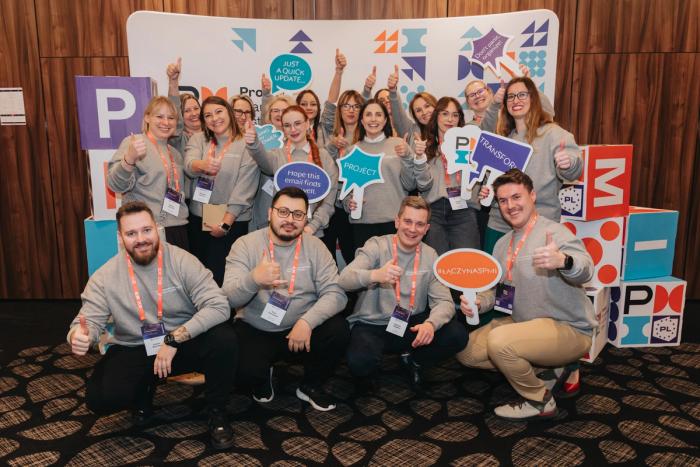
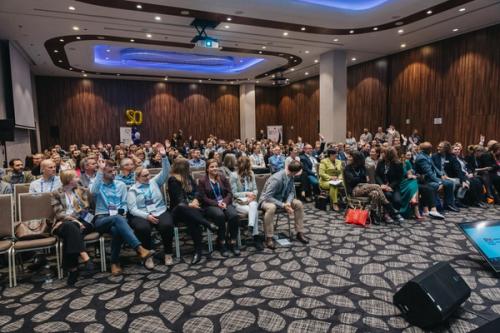
Find out why this event attract massive community from all over the world every year. Look through the memories of the Congress’ previous edition.
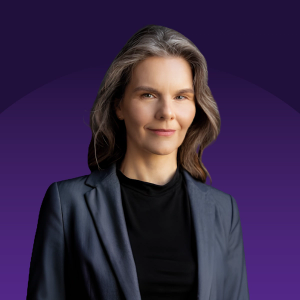
Keynote sessions
MSc | MBA | PMP | DASSM | PMI Board of Directors Chair
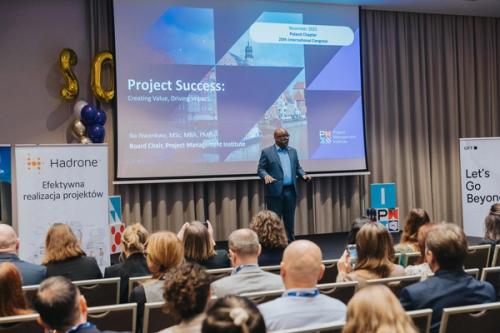
This keynote highlights the new global perspective on project success. In today’s rapidly changing world, project success can no longer be defined solely by time, cost, and scope. True success is measured by the value created and the lasting sustainable impact generated for organizations, communities, and society at large. In this opening keynote, Ike Nwankwo, Chair of the Global Board of Directors of PMI, will present the vision of PMI:Next, which challenges the profession to deliver M.O.R.E. – Manage perceptions, Own success, Reassess continuously, and Expand perspective. This paradigm shifts the focus from processes to outcomes, calling on project professionals to embrace accountability for lasting value and impact. Together, we maximize project success to elevate our world.
Ike Nwankwo, MSc, MBA, PMP, is the Chair of the PMI Board of Directors. He has served on the PMI Board since 2021. He is a long-time PMI volunteer and past president of the PMI chapter in Nigeria, past PMI Region Mentor for Africa and the immediate past Chair of PMI’s Governance Committee. Nwankwo is the managing director of Distinct Management, Ltd, an independent project management consultancy focusing on information technology, construction, and business transformation. Throughout his more than 25-year career, he has managed portfolios and led the delivery of multi-million-dollar projects and programs across multiple sectors, for a diverse range of multinational organizations across the United Kingdom and Africa.
He is a motivated professional speaker, and he has co- authored a book on global leadership, entitled “Developing
Global Leaders: Insights from African Case Studies.” Nwankwo holds a bachelor’s degree and a master’s degree in Architecture, both from the University of Nigeria, as well as an MBA from Middlesex University Business School, United Kingdom. He is a graduate of the PMI Leadership Institute Master Class of 2016.
•
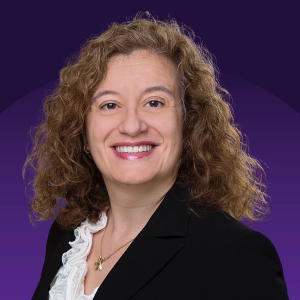
Expert Keynote Speaker in AI | New Leadership and Managing Virtual Teams
Inspire Your People and project team for AI: Unlocking Work Automation, Creativity, and Efficiency Gains.
In a rapidly evolving world, integrating Artificial Intelligence is crucial. Peter shows how to manage project resources, risks and stakeholders in real time, how address fears of job displacement, embrace the AI revolution, and successfully embed it into your project management processes. Discover how the strategic use of AI can future-proof your career.
This keynote goes beyond technology, showing you:
- How to combine AI with the unique strengths of your team
- How to create tailored workflows
- How to unlock real project value.
- How address fears of job displacement and embrace the AI revolution
A practical, human-centered approach.
Peter Ivanov is an award-winning manager, bestselling author, and global keynote speaker on AI and leadership. With 30+ years of international experience, he has inspired audiences in 29 countries. His book "Virtual Power Teams" is translated into six languages, empowering organizations to embrace AI and unlock extraordinary value.
•
Project Leadership Coach | Facilitator | Speaker | Award-winning author of “The Power of Project Leadership” & “How to Do the Inner Work”
For projects to succeed and have lasting impact in an increasingly complex world, project managers must be able to strategize, innovate, motivate, empower and collaborate – in other words, they must learn how to lead.
In this talk, Susanne Madsen will discuss the differences between management and leadership and show you how to shift a task-oriented mindset into one of inspiration, motivation and collaboration.
Her talk will help you:
• Avoid the three most common mistakes that project managers make
• Understand the dangers of the hero project management style
• Learn about the science of high performing teams
• Understand why EQ is key to leadership and how to strengthen it
• Deepen your communication with key players on your project
Susanne Madsen is a globally recognised executive coach, trainer and facilitator who specialises in transformational leadership for managers of complex projects. With nearly 30 years of experience, she has worked with leading organisations such as JP Morgan, Citigroup, LEGO, Philips, NXP and BAM.
An award-winning author, Susanne has written The Power of Project Leadership (also translated into Polish), The Project Management Coaching Workbook and How to Do the Inner Work.
Having coached hundreds of project managers across the globe, Susanne excels at helping her clients rethink how they lead global teams, handle challenging situations and deal with huge amounts of pressure. Her philosophy is centred on the belief that the best results in leadership stem from self-awareness, emotional intelligence and the desire to grow and give back to others.
• •
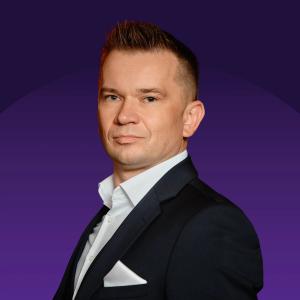
Tech Entrepreneur & Founder | Social Listening Expert | Startup Mentor & Public Speaker | Data-Driven Decision Maker | CEO of Brand24 & Creator of Chatbeat | Global Thought Leader in Digital Innovation
With over 1.4 billion monthly visitors, ChatGPT is transforming how users discover brands, making it a powerful platform for growth. Unlike traditional search engines, ChatGPT prioritizes relevance, authority, and user experience over SEO tricks—offering a unique opportunity for brands to gain visibility and trust.
Founder & CEO of Brand24.com — a social listening platform trusted by 4,000+ brands in over 150 countries. Creator of Chatbeat.com. Startup mentor at Startup Weekend & Founder Institute. Public speaker with 300+ appearances, including Web Summit, DES Madrid, and Infoshare. Passionate about tech, startups, and turning data into decisions. Followed by 300,000+ across social media, where he shares lessons from building, scaling, and occasionally failing forward.
• •
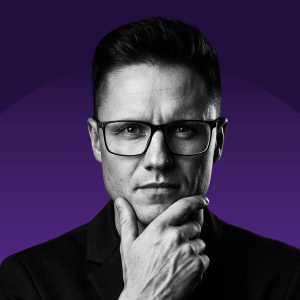
Creator, entrepreneur and investor – I write about my experiences with startups, technology and business
Trójka ludzi i AI mogą dziś stworzyć firmę wartą miliard dolarów. Dzięki automatyzacji każdy proces da się uprościć, a małe, komplementarne zespoły skalują się szybciej niż tradycyjne struktury. To nie teoria ale nowy model tworzenia innowacyjnych organizacji.
Uczestnicy wystąpienia dowiedzą się:
1. Jak zbudować skalowalny startup z minimalnym zespołem, korzystając z AI zamiast rozbudowanych struktur.
2. Jakie modele organizacyjne i role (Vision, Numbers, Words) najlepiej sprawdzają się w nowej rzeczywistości biznesowej.
3. Jakie narzędzia i strategie AI przyspieszają rozwój firmy przy minimalnych kosztach.
4. Dlaczego małe zespoły mają dziś przewagę – mniejsze koszty, szybsze decyzje, większa elastyczność.
5. Czym są hiper-jednorożce i jak wygląda ścieżka dojścia do miliardowej wyceny w 6 miesięcy.
Entrepreneur, creator, investor, promoter of innovation, specializing in the analysis of digital and startup trends.
• •
Ike Nwanko
This keynote highlights the new global perspective on project success. In today’s rapidly changing world, project success can no longer be defined solely by time, cost, and scope. True success is measured by the value created and the lasting sustainable impact generated for organizations, communities, and society at large. In this opening keynote, Ike Nwankwo, Chair of the Global Board of Directors of PMI, will present the vision of PMI:Next, which challenges the profession to deliver M.O.R.E. – Manage perceptions, Own success, Reassess continuously, and Expand perspective. This paradigm shifts the focus from processes to outcomes, calling on project professionals to embrace accountability for lasting value and impact. Together, we maximize project success to elevate our world.
•
Ike Nwankwo, MSc, MBA, PMP, is the Chair of the PMI Board
of Directors. He has served on the PMI Board since 2021.
He is a long-time PMI volunteer and past president of the
PMI chapter in Nigeria, past PMI Region Mentor for Africa
and the immediate past Chair of PMI’s Governance
Committee.
Nwankwo is the managing director of Distinct
Management, Ltd, an independent project management
consultancy focusing on information technology,
construction, and business transformation. Throughout
his more than 25-year career, he has managed portfolios
and led the delivery of multi-million-dollar projects and
programs across multiple sectors, for a diverse range of
multinational organizations across the United Kingdom
and Africa.
He is a motivated professional speaker, and he has co-
authored a book on global leadership, entitled “Developing
Global Leaders: Insights from African Case Studies.”
Nwankwo holds a bachelor’s degree and a master’s degree
in Architecture, both from the University of Nigeria, as well
as an MBA from Middlesex University Business School,
United Kingdom. He is a graduate of the PMI Leadership
Institute Master Class of 2016.
Peter Ivanow
Inspire Your People and project team for AI: Unlocking Work Automation, Creativity, and Efficiency Gains.
In a rapidly evolving world, integrating Artificial Intelligence is crucial. Peter shows how to manage project resources, risks and stakeholders in real time, how address fears of job displacement, embrace the AI revolution, and successfully embed it into your project management processes. Discover how the strategic use of AI can future-proof your career.
This keynote goes beyond technology, showing you:
- How to combine AI with the unique strengths of your team
- How to create tailored workflows
- How to unlock real project value.
- How address fears of job displacement and embrace the AI revolution
•
Peter Ivanov is an award-winning manager, bestselling author, and global keynote speaker on AI and leadership. With 30+ years of international experience, he has inspired audiences in 29 countries. His book "Virtual Power Teams" is translated into six languages, empowering organizations to embrace AI and unlock extraordinary value.
Susanne Madsen
For projects to succeed and have lasting impact in an increasingly complex world, project managers must be able to strategize, innovate, motivate, empower and collaborate – in other words, they must learn how to lead.
In this talk, Susanne Madsen will discuss the differences between management and leadership and show you how to shift a task-oriented mindset into one of inspiration, motivation and collaboration.
Her talk will help you:
• Avoid the three most common mistakes that project managers make
• Understand the dangers of the hero project management style
• Learn about the science of high performing teams
• Understand why EQ is key to leadership and how to strengthen it
• Deepen your communication with key players on your project
• •
Susanne Madsen is a globally recognised executive coach, trainer and facilitator who specialises in transformational leadership for managers of complex projects. With nearly 30 years of experience, she has worked with leading organisations such as JP Morgan, Citigroup, LEGO, Philips, NXP and BAM.
An award-winning author, Susanne has written The Power of Project Leadership (also translated into Polish), The Project Management Coaching Workbook and How to Do the Inner Work.
Having coached hundreds of project managers across the globe, Susanne excels at helping her clients rethink how they lead global teams, handle challenging situations and deal with huge amounts of pressure. Her philosophy is centred on the belief that the best results in leadership stem from self-awareness, emotional intelligence and the desire to grow and give back to others.
Michał Sadowski
With over 1.4 billion monthly visitors, ChatGPT is transforming how users discover brands, making it a powerful platform for growth. Unlike traditional search engines, ChatGPT prioritizes relevance, authority, and user experience over SEO tricks—offering a unique opportunity for brands to gain visibility and trust.
• •
Founder & CEO of Brand24.com — a social listening platform trusted by 4,000+ brands in over 150 countries. Creator of Chatbeat.com. Startup mentor at Startup Weekend & Founder Institute. Public speaker with 300+ appearances, including Web Summit, DES Madrid, and Infoshare. Passionate about tech, startups, and turning data into decisions. Followed by 300,000+ across social media, where he shares lessons from building, scaling, and occasionally failing forward.
Artur Kurasiński
Trójka ludzi i AI mogą dziś stworzyć firmę wartą miliard dolarów. Dzięki automatyzacji każdy proces da się uprościć, a małe, komplementarne zespoły skalują się szybciej niż tradycyjne struktury. To nie teoria ale nowy model tworzenia innowacyjnych organizacji.
Uczestnicy wystąpienia dowiedzą się:
1. Jak zbudować skalowalny startup z minimalnym zespołem, korzystając z AI zamiast rozbudowanych struktur.
2. Jakie modele organizacyjne i role (Vision, Numbers, Words) najlepiej sprawdzają się w nowej rzeczywistości biznesowej.
3. Jakie narzędzia i strategie AI przyspieszają rozwój firmy przy minimalnych kosztach.
4. Dlaczego małe zespoły mają dziś przewagę – mniejsze koszty, szybsze decyzje, większa elastyczność.
5. Czym są hiper-jednorożce i jak wygląda ścieżka dojścia do miliardowej wyceny w 6 miesięcy.
• •
Entrepreneur, creator, investor, promoter of innovation, specializing in the analysis of digital and startup trends.
Meet the experts
We proudly present our speakers
Joanna Adamska
President of PMI Poland Chapter | PMP | AgilePM | Team Manager | Head of PMO | Lecturer | Volunteer
Podczas 20. Kongresu PMI Poland Chapter wszyscy byli Prezesi spotkają się na jednej scenie — nie po to, by wspominać, lecz by szczerze porozmawiać o przyszłości zarządzania projektami.
Dyskusja dotyczyć będzie tego, jak dziedzictwo PMI Poland Chapter realnie wpływa na dzisiejszy rynek, jakie wartości i kierunki wyznaczą jego kolejne rozdziały, oraz w jaki sposób profesjonaliści projektowi mogą kształtować przyszłość poprzez innowacje i współpracę.
Szybka, szczera rozmowa o przywództwie, zmianach i utrzymywaniu znaczenia na kolejne 20 lat.
Panel dyskusyjny z Prezesami PMI Poland Chapter moderowany przez Kamilę Pępiak-Kowalską.
Project and Process Management Expert with extensive experience in business services across the medical, IT, and corporate management sectors.
In recent years, she has successfully established two Project Management Offices, including one from the ground up, encompassing full portfolio management. Her work spans nearly all continents, with a strong focus on ISO standards, security protocols (including TISAX), and cybersecurity implementation. She has also led business transformation initiatives and managed diverse teams.
Currently, she is employed at Codelab. Outside of work, she serves as the Chapter President of PMI Poland Chapter, where she volunteers to promote project management practices in Poland. Additionally, she is a postgraduate and MBA lecturer at Zachodniopomorska Szkoła Biznesu.
In her personal time, she is an avid reader, a passionate supporter of Liverpool FC, and a keen traveler with a particular interest in seeking out frogs in various locations.
•
Tomasz Grochowski
Entrepreneur | Transformation Consultant | PMP® | SAFe® 6 Agilist | PMI Region Mentor for Central Europe
Podczas 20. Kongresu PMI Poland Chapter wszyscy byli Prezesi spotkają się na jednej scenie — nie po to, by wspominać, lecz by szczerze porozmawiać o przyszłości zarządzania projektami.
Dyskusja dotyczyć będzie tego, jak dziedzictwo PMI Poland Chapter realnie wpływa na dzisiejszy rynek, jakie wartości i kierunki wyznaczą jego kolejne rozdziały, oraz w jaki sposób profesjonaliści projektowi mogą kształtować przyszłość poprzez innowacje i współpracę.
Szybka, szczera rozmowa o przywództwie, zmianach i utrzymywaniu znaczenia na kolejne 20 lat.
Panel dyskusyjny z Prezesami PMI Poland Chapter moderowany przez Kamilę Pępiak-Kowalską.
A strategic executive with 17+ years of experience driving projects, transformations and optimizing operational efficiency through innovative program management. A pioneer in integrating Generative AI to enhance decision-making, he also serves as a PMI Region Mentor for Central Europe, past CEO of PMI Poland Chapter, and co-founder of an AI-powered project management startup baigiel.com
•
Gabriel Sznajder
Project Management Expert | Consultant & Business Trainer | Project & Portfolio Leader | Business Training & Team Development | Agile & Hybrid Transformation Expert
Podczas 20. Kongresu PMI Poland Chapter wszyscy byli Prezesi spotkają się na jednej scenie — nie po to, by wspominać, lecz by szczerze porozmawiać o przyszłości zarządzania projektami.
Dyskusja dotyczyć będzie tego, jak dziedzictwo PMI Poland Chapter realnie wpływa na dzisiejszy rynek, jakie wartości i kierunki wyznaczą jego kolejne rozdziały, oraz w jaki sposób profesjonaliści projektowi mogą kształtować przyszłość poprzez innowacje i współpracę.
Szybka, szczera rozmowa o przywództwie, zmianach i utrzymywaniu znaczenia na kolejne 20 lat.
Panel dyskusyjny z Prezesami PMI Poland Chapter moderowany przez Kamilę Pępiak-Kowalską.
Expert, business coach, and consultant in the areas of project management, leadership, team development, IT, and business analysis with over 20 years of practical experience.
He has held management roles in international multi-million dollar projects and portfolios implemented by interdisciplinary distributed teams of several hundred specialists. He has worked on both the IT and business sides, using Agile, traditional, and hybrid approaches.
Lecturer in postgraduate and MBA programs. In the 2018-20 term, he was President of PMI PC, and for 6 years he led PMI Wrocław.
Gabriel's clients include: HP, Siemens, PwC, PGE, KGHM, Orlen, Anwil, Credit Agricole, Credit Suisse, Standard Chartered, Aviva, Asseco, Knorr-Bremse, Martin Bauer, Schneider Electric, Polpharma, UTC Aerospace Systems, Global Logic, Ramboll, Euro-Locks, Solaris, E.ON, Billenium, SKM, Fortum, Kelloggs, Atos, Roche, Orange, T-Systems, Corning, General Electric, Stadler, Allegro, and InPost.
•
Witold Hendrysiak
Senior Consultant | Senior Project & Portfolio Management Expert | Organizational Transformation Consultant | PMI Volunteer & Former PMI Poland Chapter President
Podczas 20. Kongresu PMI Poland Chapter wszyscy byli Prezesi spotkają się na jednej scenie — nie po to, by wspominać, lecz by szczerze porozmawiać o przyszłości zarządzania projektami.
Dyskusja dotyczyć będzie tego, jak dziedzictwo PMI Poland Chapter realnie wpływa na dzisiejszy rynek, jakie wartości i kierunki wyznaczą jego kolejne rozdziały, oraz w jaki sposób profesjonaliści projektowi mogą kształtować przyszłość poprzez innowacje i współpracę.
Szybka, szczera rozmowa o przywództwie, zmianach i utrzymywaniu znaczenia na kolejne 20 lat.
Panel dyskusyjny z Prezesami PMI Poland Chapter moderowany przez Kamilę Pępiak-Kowalską.
He has over 20 years of experience in project and project portfolio management.
PMI volunteer since 2003. President of PMI Poland Chapter in 2012-2014. Currently, since 2024, volunteer of the Ethics Advisory Team.
As a consultant, he supports the implementation of technology projects for global organizations where people are important.
•
Agnieszka Gasperini
ICF PCC Leadership Mindset Coach | Project Management PMP, PMI-ACP, PMI-PMOCP| Agile Coach & Consultant ICAgile| Prosci Certified Change Practitioner | Strategy Consultant & Trainer
Podczas 20. Kongresu PMI Poland Chapter wszyscy byli Prezesi spotkają się na jednej scenie — nie po to, by wspominać, lecz by szczerze porozmawiać o przyszłości zarządzania projektami.
Dyskusja dotyczyć będzie tego, jak dziedzictwo PMI Poland Chapter realnie wpływa na dzisiejszy rynek, jakie wartości i kierunki wyznaczą jego kolejne rozdziały, oraz w jaki sposób profesjonaliści projektowi mogą kształtować przyszłość poprzez innowacje i współpracę.
Szybka, szczera rozmowa o przywództwie, zmianach i utrzymywaniu znaczenia na kolejne 20 lat.
Panel dyskusyjny z Prezesami PMI Poland Chapter moderowany przez Kamilę Pępiak-Kowalską.
Agnieszka Gasperini is a multicultural, passionate entrepreneur and leading expert in project management. Over the past twenty-five years, she has been teaching, consulting and coaching project managers and executives around the world, with a strong expertise around EU funds projects.
She is focused on developing project teams during transformations. Her expertise is leadership development and trainings to build trusted and high functional and effective teams.
She serves for PMI for the last 23 years. Her last position was PMI Global Board of Directors (2021-2023).
•
Piotr Malec
Program & Project Leadership | Financial Services IT Delivery | Team Building & Mentoring
Podczas 20. Kongresu PMI Poland Chapter wszyscy byli Prezesi spotkają się na jednej scenie — nie po to, by wspominać, lecz by szczerze porozmawiać o przyszłości zarządzania projektami.
Dyskusja dotyczyć będzie tego, jak dziedzictwo PMI Poland Chapter realnie wpływa na dzisiejszy rynek, jakie wartości i kierunki wyznaczą jego kolejne rozdziały, oraz w jaki sposób profesjonaliści projektowi mogą kształtować przyszłość poprzez innowacje i współpracę.
Szybka, szczera rozmowa o przywództwie, zmianach i utrzymywaniu znaczenia na kolejne 20 lat.
Panel dyskusyjny z Prezesami PMI Poland Chapter moderowany przez Kamilę Pępiak-Kowalską.
Experienced manager leading medium and large teams in IT projects for largest Financial Institutions in Poland and USA. Excellent Leadership skills in building the efficient teams, defining and controlling standards, taking ownership, influencing others. Mentor and coach. Goal oriented.
Over years university teacher experience, giving the lectures on the Executive MBA and Postgraduate Studies teaching: project portfolio management, project management, business continuity management, accounting for non-accountants, cost management and business plan.
Active member of PMI Poland Chapter since 2004, working as voluntary on leadership positions including: President of the Chapter, Vice-president and Member of Supervisory Board.
•
Małgorzata Kusyk
Project | Program | PMO | Change | Transformation Manager I Agile Coach I Product Owner I PMP, CAPM, PgMP Instructor | Agile & Transformation Leadership
Podczas 20. Kongresu PMI Poland Chapter wszyscy byli Prezesi spotkają się na jednej scenie — nie po to, by wspominać, lecz by szczerze porozmawiać o przyszłości zarządzania projektami.
Dyskusja dotyczyć będzie tego, jak dziedzictwo PMI Poland Chapter realnie wpływa na dzisiejszy rynek, jakie wartości i kierunki wyznaczą jego kolejne rozdziały, oraz w jaki sposób profesjonaliści projektowi mogą kształtować przyszłość poprzez innowacje i współpracę.
Szybka, szczera rozmowa o przywództwie, zmianach i utrzymywaniu znaczenia na kolejne 20 lat.
Panel dyskusyjny z Prezesami PMI Poland Chapter moderowany przez Kamilę Pępiak-Kowalską.
Małgorzata is a project management and agile passionate with 25 years of experience in global projects, programs and PMOs in various sectors and industries. Agile Coach, mentor, business trainer, AI early adopter and volunteer - PMI Poland Chapter President 2014-2016. She specializes in transitions and transformations. AgilePMO Founder, Kozminski University Program Director, creator of innovative business solutions.
•
Agnieszka Krogulec
People Manager | PMO Leader | Project & Change Manager | Former PMI PC President | Servant Leader | Mentor | Facilitator | Business Trainer
Podczas 20. Kongresu PMI Poland Chapter wszyscy byli Prezesi spotkają się na jednej scenie — nie po to, by wspominać, lecz by szczerze porozmawiać o przyszłości zarządzania projektami.
Dyskusja dotyczyć będzie tego, jak dziedzictwo PMI Poland Chapter realnie wpływa na dzisiejszy rynek, jakie wartości i kierunki wyznaczą jego kolejne rozdziały, oraz w jaki sposób profesjonaliści projektowi mogą kształtować przyszłość poprzez innowacje i współpracę.
Szybka, szczera rozmowa o przywództwie, zmianach i utrzymywaniu znaczenia na kolejne 20 lat.
Panel dyskusyjny z Prezesami PMI Poland Chapter
•
Maciej Bodych
PMO & Portfolio Consultant and Trainer at WHITECOM | Certification Insight Team at PMI Global
Podczas 20. Kongresu PMI Poland Chapter wszyscy byli Prezesi spotkają się na jednej scenie — nie po to, by wspominać, lecz by szczerze porozmawiać o przyszłości zarządzania projektami.
Dyskusja dotyczyć będzie tego, jak dziedzictwo PMI Poland Chapter realnie wpływa na dzisiejszy rynek, jakie wartości i kierunki wyznaczą jego kolejne rozdziały, oraz w jaki sposób profesjonaliści projektowi mogą kształtować przyszłość poprzez innowacje i współpracę.
Szybka, szczera rozmowa o przywództwie, zmianach i utrzymywaniu znaczenia na kolejne 20 lat.
Panel dyskusyjny z Prezesami PMI Poland Chapter moderowany przez Kamilę Pępiak-Kowalską.
MBA, PMP, PfMP, ACP, PMO-CC, IPMO-E
Ekspert w zakresie zarządzania projektami, portfelem projektów i PMO. Specjalizuje się w obszarze usprawnień organizacji poprzez wdrożenie zarządzania portfelem projektów i PMO oraz w obszarze rozwoju kierowników projektów.
Od 2003 roku związany z PMI®, gdzie pełnił m.in. funkcję Prezesa Oddziału Polskiego. Z centralą PMI® w USA związany w latach 2010-2024.
Od 2010 roku Prezes firmy WHITECOM Project Experience specjalizującej się w szkoleniach, ustawianiu PMO oraz zarządzaniu projektami i portfelem projektów.
Współautor książki PMO. Praktyka zarządzania projektami i portfelem projektów w organizacji.
•
Rafał Mielczarek
Program & Project Manager | Management Consulting Professional | PMP | ITIL | Global Program & Project Leadership | Cross-Border IT Transformation | Virtual Team & Stakeholder Alignment
Podczas 20. Kongresu PMI Poland Chapter wszyscy byli Prezesi spotkają się na jednej scenie — nie po to, by wspominać, lecz by szczerze porozmawiać o przyszłości zarządzania projektami.
Dyskusja dotyczyć będzie tego, jak dziedzictwo PMI Poland Chapter realnie wpływa na dzisiejszy rynek, jakie wartości i kierunki wyznaczą jego kolejne rozdziały, oraz w jaki sposób profesjonaliści projektowi mogą kształtować przyszłość poprzez innowacje i współpracę.
Szybka, szczera rozmowa o przywództwie, zmianach i utrzymywaniu znaczenia na kolejne 20 lat.
Panel dyskusyjny z Prezesami PMI Poland Chapter moderowany przez Kamilę Pępiak-Kowalską.
Rafał Mielczarek, PMP, ITIL, is an expert in managing complex, strategic, cross-border IT programs and former President & CEO of the PMI Poland Chapter. With proven expertise in software development, system integration, and process improvement, he excels in uniting global virtual teams to deliver business-aligned, goal-oriented results.
•
Kamila Pępiak-Kowalska
Entrepreneur & Business Coach | Social & Power Skills Expert | Leadership & Team Development | Critical Thinking & EQ Specialist | MBA Lecturer | Bestselling Author
Podczas 20. Kongresu PMI Poland Chapter wszyscy byli Prezesi spotkają się na jednej scenie — nie po to, by wspominać, lecz by szczerze porozmawiać o przyszłości zarządzania projektami.
Dyskusja dotyczyć będzie tego, jak dziedzictwo PMI Poland Chapter realnie wpływa na dzisiejszy rynek, jakie wartości i kierunki wyznaczą jego kolejne rozdziały, oraz w jaki sposób profesjonaliści projektowi mogą kształtować przyszłość poprzez innowacje i współpracę.
Szybka, szczera rozmowa o przywództwie, zmianach i utrzymywaniu znaczenia na kolejne 20 lat.
Panel dyskusyjny z Prezesami PMI Poland Chapter moderowany przez Kamilę Pępiak-Kowalską.
Kamila is an entrepreneur for 20 years, business trainer and coach. She specializes in social and power skills, working with leaders to boost their critical thinking, emotional intelligence, and team performance. Kamila is also an MBA lecturer and author of a bestselling book on optimism.
•
Deputy Director of Research and Innovation @ Ministry of Digital Affairs | Corpus Researcher @ Linguistic Engineering Group | Data & AI | Top 100 Women in Tech PL
Wystąpienie skierowane do Project Managerów, mające na celu przybliżenie kulis powstawania modeli AI oraz kluczowej roli danych w procesie budowy modeli, ze szczególnym uwzględnieniem kwestii lokalności danych i jej wpływu na skuteczność wdrożeń biznesowych oraz wdrożeń w sektorze publicznym. Uczestnicy poznają procesy towarzyszące powstawaniu dużych modeli językowych (LLM), źródła danych wykorzystywanych do ich trenowania oraz znaczenie dopasowania i ochrony danych w kontekście lokalnym. Prezentacja wzbogacona będzie o praktyczne przypadki użycia z różnych sektorów.
Zapraszamy na spotkanie, podczas którego zajrzymy za kulisy działania sztucznej inteligencji – od kuchni budowania modeli po niezwykle ważną rolę, jaką pełnią dane. Zastanawiasz się, skąd AI czerpie wiedzę? Jakie dane są dla niej naprawdę wartościowe? A może nurtuje Cię, dlaczego lokalność danych coraz częściej decyduje o sukcesie wdrożeń – zarówno w biznesie, jak i w sektorze publicznym – i jak mogą w tym pomóc polskie rozwiązania AI.
Podczas prezentacji opowiemy, jak powstają duże modele językowe (LLM) oraz jak wygląda proces ich „karmienia” danymi – nie tylko tymi z internetu. Zwrócimy uwagę na wyzwania związane z jakością, dopasowaniem oraz ochroną danych i pokażemy, jak lokalny kontekst może sprawić, że AI działa szybciej, lepiej i bardziej trafnie.
Wspólnie przejdziemy przez realne przykłady wdrożeń, porozmawiamy o sukcesach i pułapkach związanych z wykorzystaniem AI w różnych branżach. Będzie praktycznie, konkretnie i z miejscem na wymianę doświadczeń – niezależnie od tego, czy masz już pierwsze wdrożenia za sobą, czy dopiero rozważasz ich start. Przyjdź, jeśli chcesz wiedzieć, co naprawdę zasila AI!
Speech with: Sebastian Kondracki
Aleksandra Tomaszewska serves as Deputy Director at the Department of Research and Innovation at Poland’s Ministry of Digital Affairs, where she works on strategic AI investments and initiatives that strengthen national AI and data infrastructure and the broader AI ecosystem. She is a co-creator of the Polish-language large language model family PLLuM (Polish Large Language Model) and previously served as an expert in the Ministry’s AI Working Group (GRAI), contributing to the Data for AI stream. She also conducts research in the Linguistic Engineering Group at the Institute of Computer Science of the Polish Academy of Sciences, specialising in corpus linguistics and natural language processing, with a focus on datasets, tools, and analytical methods. She is active in public outreach on AI and data, particularly in areas related to national AI development, AI infrastructure, and bias in datasets and models. In 2025, she was recognised by Perspektywy as one of the Top 100 Women in Tech in Poland.
•
TEDx Speaker | Chief Innovation Officer @ Deviniti | Founder of SpeakLeash
Wystąpienie skierowane do Project Managerów, mające na celu przybliżenie kulis powstawania modeli AI oraz kluczowej roli danych w procesie budowy modeli, ze szczególnym uwzględnieniem kwestii lokalności danych i jej wpływu na skuteczność wdrożeń biznesowych oraz wdrożeń w sektorze publicznym. Uczestnicy poznają procesy towarzyszące powstawaniu dużych modeli językowych (LLM), źródła danych wykorzystywanych do ich trenowania oraz znaczenie dopasowania i ochrony danych w kontekście lokalnym. Prezentacja wzbogacona będzie o praktyczne przypadki użycia z różnych sektorów.
Zapraszamy na spotkanie, podczas którego zajrzymy za kulisy działania sztucznej inteligencji – od kuchni budowania modeli po niezwykle ważną rolę, jaką pełnią dane. Zastanawiasz się, skąd AI czerpie wiedzę? Jakie dane są dla niej naprawdę wartościowe? A może nurtuje Cię, dlaczego lokalność danych coraz częściej decyduje o sukcesie wdrożeń – zarówno w biznesie, jak i w sektorze publicznym – i jak mogą w tym pomóc polskie rozwiązania AI.
Podczas prezentacji opowiemy, jak powstają duże modele językowe (LLM) oraz jak wygląda proces ich „karmienia” danymi – nie tylko tymi z internetu. Zwrócimy uwagę na wyzwania związane z jakością, dopasowaniem oraz ochroną danych i pokażemy, jak lokalny kontekst może sprawić, że AI działa szybciej, lepiej i bardziej trafnie.
Wspólnie przejdziemy przez realne przykłady wdrożeń, porozmawiamy o sukcesach i pułapkach związanych z wykorzystaniem AI w różnych branżach. Będzie praktycznie, konkretnie i z miejscem na wymianę doświadczeń – niezależnie od tego, czy masz już pierwsze wdrożenia za sobą, czy dopiero rozważasz ich start. Przyjdź, jeśli chcesz wiedzieć, co naprawdę zasila AI!
Speech with: Aleksandra Tomaszewska
Digital transformation expert with a focus on innovation and artificial intelligence (AI). Chief Innovation Officer at Deviniti. Author of the book “Python and AI for E-commerce,” he researches the impact of “openness” (open science, open data, open source) on creativity and innovation.
He specializes in large language models (LLM) and generative AI systems in business. Leader of the AI research group at SoDA, member of the AI working group at the Ministry of Digital Affairs, and co-creator of the SpeakLeash (ˈspix.lɛʂ) project, Spichlerz – a set of tools for building the largest collection of high-quality data in Poland (>1TB) and creating a large language model. One of the creators of Bielik 7B (version 1.0), Bielik 1.5B, 4.5B (version 3.0) and 11B (version 2.6), a compact LLM trained on Polish data (both base and instructional models).
Author of numerous industry reports, including “Open Data and Artificial Intelligence” (GRAI) and “Artificial Intelligence SumUp for Business 2022.”
Expert in hyperautomation, natural language processing (NLP), natural language generation (NLG), and the application of GenAI in business. He also specializes in collaborative intelligence, human-AI teamwork, business idea testing, lean startup, and exploratory project management. He lectures at postgraduate studies, including at the Warsaw School of Economics.
•
Cristina Sancho
AI Culture Strategist | Human-Tech Balance Advocate | Keynote Speaker | initIA Co-Founder | Ex-Amazon & Netflix Leader
Most companies still treat AI as a tech project.
They wait for IT to pick tools, for committees to approve budgets, and lose months while everyone debates “readiness.”
That delay costs more than time:
Teams drown in repetitive work and endless reporting.
Meetings multiply while projects crawl forward.
The brightest people spend their energy on tasks that could be automated.
Leaders feel pressure to deliver more with less, but bureaucracy keeps them stuck.
By the time tools are approved, the energy’s gone, the talent’s tired, and the moment to innovate has passed.
What if AI wasn’t buried under IT?
What if it sat on your payroll, working alongside your people, not replacing them?
Imagine giving every team member a digital teammate that handles the routine, so they can focus on work that moves the business forward.
In this talk, you’ll see how forward-thinking leaders are already doing it.
Through real stories from small and mid-sized businesses, you’ll learn how AI agents are already:
Managing admin, reporting, and follow-ups
Improving delivery speed and decision-making
Reclaiming hours every week for strategy and creativity
Turning automation into an ally for performance and wellbeing
You’ll walk away knowing how to spot where AI can give your team back their most valuable asset: time.
I show founders and execs how to build AI-ready cultures without choosing between humanity and technology. Keynote Speaker. CoFounder initIA. Ex-Amazon, Netflix
•
Piotr Lewandowski
Talent Business Partner | Human-Centered Headhunter | Recruitment & Candidate Experience Expert | Feedback and Communication Trainer | HR Innovation Advocate | Executive Search and Leadership Hiring Specialist
Sztuczna inteligencja już dziś zmienia sposób, w jaki firmy prowadzą procesy HR, a w szczególności rekrutację. Algorytmy wspierają selekcję CV, analizę dopasowania kandydatów czy automatyczną komunikację, a coraz częściej także oceniają potencjał rozwojowy i ryzyko rotacji. Dla wielu Hiring Managerów oznacza to nowe pytanie: kto za pięć lat będzie prowadził procesy rekrutacyjne – człowiek czy maszyna?
Podczas prezentacji przyjrzymy się temu zagadnieniu z kilku perspektyw. Z punktu widzenia kandydatów AI to wygoda i szybkość, ale też ryzyko braku personalizacji i utraty ludzkiego kontaktu. Dla Hiring Managerów oznacza to odciążenie z powtarzalnych zadań i dostęp do lepszych danych, ale jednocześnie konieczność zrozumienia, jak działają nowe narzędzia i jakie ograniczenia niosą.
Omówimy najważniejsze trendy, które kształtują HR – od wykorzystania chatbotów i modeli językowych w preselekcji, przez narzędzia predykcyjne, aż po rosnące wyzwania związane z algorytmicznymi uprzedzeniami czy transparentnością decyzji AI. Podzielimy się także praktycznymi wskazówkami, jak Hiring Managerowie w różnych branżach mogą wykorzystać potencjał technologii: od masowych rekrutacji w logistyce i produkcji, przez specjalistyczne procesy w IT i finansach, aż po strategiczne role w HR i funkcjach korporacyjnych.
Celem spotkania nie jest odpowiedź zero-jedynkowa, lecz pokazanie, że przyszłość HR to współpraca człowieka i sztucznej inteligencji. Algorytmy mogą przyspieszyć procesy, ale to człowiek pozostaje odpowiedzialny za ocenę, decyzję i budowanie relacji. Uczestnicy wyjdą z tej prezentacji z praktycznym spojrzeniem na to, jak przygotować się na nadchodzące zmiany i jak wykorzystać AI jako partnera, a nie rywala w rekrutacji.
Cel:
- Zrozumiesz, co w HR może przejąć AI, a co zostaje w rękach człowieka.
- Poznasz najważniejsze trendy i wyzwania na najbliższe 5 lat.
- Otrzymasz praktyczne wskazówki dla swojej branży i zespołu.
- Dowiesz się, jak wykorzystać AI jako partnera, a nie zagrożenie.
A headhunter who combines technology with a human-centred approach, carrying out projects ranging from operational roles to C-level positions. Author of workshops on feedback, communication and candidate experience, showing how innovation supports the human side of recruitment.
•
Cristina Muntean
Entrepreneur and founder & CEO of VORNICA®, a company on a mission to triple the number of women CEOs in Europe | Executive development coach and mentor of choice for women CEOs around the world.
Pandemic and remote work. Forceful return-to-office mandates. Quiet quitting, silent cracking, the lowest employee engagement in history, and now – frantic AI adoption. If there was ever an unsung hero of endurance, it’s been teams and their managers over the last six years. How can team leaders stay grounded and focused on high performance when team structures are constantly shifting under their fingers? Where can we start, and who must we include so we can continue to co-create and deliver high-quality performance and engagement in the workplace without losing our minds? This is the topic of this talk. Over 45 minutes, we will review the major trends impacting teams and team leaders now and in the near future, and we will attempt to identify solutions to growing and thriving together under conditions of massive uncertainty. At the end of this talk you will leave inspired, energized, and with a clear action plan to master team and complex stakeholder management with resilience and wisdom moving forward.
Cristina Muntean is the founder and CEO of VORNICA®, a company on a mission to triple the number of women CEOs in Europe. She is a proud European, a dynamic public speaker, visionary book author, relentless innovator, and the partner of choice for thought leaders committed to bringing more good power into our world.
•
Kari Goldyn
Expert Speaker | Trainer and Business Consultant in Neurodiversity, Leadership, and Wellbeing
Neuroróżnorodność to nie chwilowy trend, lecz codzienność każdej organizacji. Średnio 1 na 5 osób w zespole inaczej myśli, inaczej podejmuje decyzje i inaczej postrzega świat. ADHD lub spektrum autyzmu nie muszą być barierą – to unikalne konfiguracje talentów, które właściwie wykorzystane stają się źródłem kreatywności, trafniejszych decyzji i skuteczniejszego rozwiązywania problemów.
Podczas wystąpienia pokażę, jak wykorzystać potencjał neuroróżnorodności i budować kulturę, w której różne umysły nie tylko funkcjonują, ale napędzają efektywność i budują przewagę rynkową. To prelekcja dla managerów, którzy chcą nie tylko mówić o innowacjach, ale faktycznie je wdrażać, wykorzystując atuty różnorodnych mózgów.
Psychoeducator, speaker and business consultant specialising in neurodiversity, leadership and wellbeing. Co-author of the podcast ‘Business and Emotions’.
For over 20 years, she has been helping companies build valuable businesses, working with the BBC, Roche, Orange, Allegro, and others.
She holds a master's degree in biology and completed postgraduate studies in positive psychology and business psychology. Neuroatypical person (AuDHD).
•
Business attorney | IT | IP | GDPR | top 25 Women Lawyers in Business by Forbes Women | ISO 42001 | partner at Wilamowscy Adwokaci spółka partnerska | patent attorney treinee | mediator | lecturer
W epoce sztucznej inteligencji nie wystarczy już ufać temu, co widzimy i słyszymy. Deepfake’i mogą stać się narzędziem oszustwa, dezinformacji albo szantażu – i uderzyć w reputację projektu lub całej firmy. W trakcie wystąpienia opowiem, jak rozpoznać potencjalne zagrożenia i jak zarządzać ryzykiem, które pojawia się w miejscach, o których jeszcze wczoraj nie myśleliśmy. Uczestnicy wyjdą z praktycznymi wskazówkami, które pozwolą im reagować szybciej niż fałszywa informacja zdąży się rozprzestrzenić.
Attorney, PhD student at the University of Gdańsk, managing partner at Wilamowscy Adwokaci law firm. Member of the board of the Metropolitan Institute and the Bydgoszcz IT Cluster, specializing in new technology law, personal data protection, and AI governance. Expert in the Working Group on Artificial Intelligence at the Ministry of Digital Affairs, lecturer and speaker at Polish and international conferences.
•
Katarzyna Pudzianowska
PHD | PM | PO | PMO | AI | Innovation | Scrum | Waterfall | Insurance | Trade | Ecom
Po co popełniać własne błędy, skoro można uczyć się na cudzych? W wystąpieniu zaprezentuję case study wdrożenia strategii w dużej, multidywizyjnej i międzynarodowej organizacji o polskich korzeniach. Opowiem o tym jaką rolę pełniło PMO, co nam dało podejście projektowe i jak skutecznie zbudować efektywny portfel projektów wspierających strategiczne cele firmy. Przybliżę praktyczne zastosowanie OKRów oraz podejścia rolling-wave planning. Wystąpienie skierowane jest do wszystkich, którzy borykają się z wyzwaniami związanymi z wdrażaniem, operacjonalizowaniem i aktualizowaniem strategii w swoich firmach oraz przedstawicieli PMO, którzy chcieliby jeszcze lepiej wspierać ten proces.
A Doctor of Economics and a passionate project management enthusiast. Fifteen years of experience gathered in all possible environments: academia, startups, and international corporations. She ran her own interactive agency for six years. Author of over a dozen scientific and business articles. Throughout her career, she has fulfilled every possible project role, and currently leads a Strategy and Project Management Department.
•
Strategic Transformation Advisor | Project and Program Management Expert | Portfolio Management Leader | PMI Standards Co-Author | Executive MBA Lecturer | International Project Management Thought Leader
This is brand new material based on my ongoing research for a publication planned for 2026. It draws on hands-on experience from dozens of New Product Development (NPD) projects I’ve supported as a mentor and consultant, combined with solid research on risk attitude, decision-making psychology, and success factors in product-oriented organizations.
Most NPD projects, like many other strategic investments, require taking significant risks to succeed. Yet, most risk management standards focus almost entirely on avoidance or mitigation, overlooking the importance of deliberate risk-taking. At the same time, many established organizations shift toward protecting “guaranteed rewards,” often guided by a mindset where “failure is not an option.” This creates the perfect opportunity for bold competitors to disrupt the market, precisely because they took the risks others tried to avoid.
This presentation outlines the key building blocks of a healthy risk culture that supports smart, strategic risk-taking that is crucial for gaining and sustaining competitive advantage.
Transformation and Project Management Strategic Advisor
An international expert in project management. He supports organizations in building strategies, implementing key strategic initiatives, and leading transformations. Co-author of international standards in project management, including those published by the Project Management Institute (PMI). One of the founding members of the PMI Poland Chapter and a co-founder of the Wrocław branch. Honorary member of the Project Management Association of Nepal (PMAN). Creator of programs and lecturer in international MBA and Executive MBA programs. He has been repeatedly awarded for his contribution to project management as a discipline as well as for development and mentoring programs in this field.
• •
DLT Practice Lead | Expert in Blockchain, Web3 & Digital Assets | AI Project Implementation Advocate | Academic Lecturer & IT Conference Speaker | Experienced in FinTech, Banking & Cloud
I’m taking you on a journey through AI projects delivered for major clients – tier 1 banks.
These clients expect AI solution providers to support them in the following areas:
– Business: by proposing the right AI use cases
– Technology: by selecting the appropriate AI tools
– Compliance: by ensuring compliance with applicable regulations
Implementing an AI project requires not only specialised technological expertise, but also strong project management capabilities and the ability to navigate AI-specific risks.
To meet these expectations, a Project Manager at GFT is equipped with knowledge gained through AI training, hands-on experience in AI projects, and access to dedicated AI tools.
This is the journey I’m going to share with you. Let’s go beyond with AI_
Experienced in IT delivery. Worked for IT solution providers Comarch, Capgemini, currently for GFT.
His mission at GFT is to enable Project Managers for efficient implementation of AI projects.
Business background: Finance and banking, Fintech, Insurance, Telco, Cloud.
Worked for clients from Poland, Germany, UK, Japan, Israel, Vietnam, India.
Active in education field as academic lecturer on new technologies like AI. Speaker at IT conferences.
• •
Product Discovery & Innovation Coach | Product Strategy Expert | R&D and Growth Leader | Product Management Mentor | Team Development and Leadership | Customer-Centric Product Design
W czasach wielkiej rewolucji AI – szanse na dobre inwestycje, rozwój i nowe sukcesy na rynku czekają na każdym kroku. Ale czy na pewno wiemy jak wyjść poza hype i budować trwałą wartość? Podczas prezentacji opowiem dlaczego moim zdaniem zmiana modelu pracy na produktowy wraz z mądrym wykorzystaniem AI może dawać organizacjom szanse na długotrwały rozwój i sukces rynkowy.
A trainer and product leader with 10 years of experience helping companies build valuable products and services in all forms, as well as effective product teams using best practices on the market. 10 years of experience as Product Manager, R&D Team Leader, and Growth Manager.
• •
Executive Communication and Career Coach in Advanced Business | Communication and Relationship Building
“Wielu uczestników jeździ na konferencje, czyta książki i śledzi guru zarządzania, wraca do zespołu i próbuje wdrożyć rady typu „daj autonomię”, „zaufaj ludziom”, “”zatrudniaj za potencjał””. Efekt? Te pomysły często wywracają się na pierwszym zakręcie. Frustracja rośnie, a uczestnicy czują się jak porażka, bo przecież „wszyscy mówią, że dobry lider to, dobry lider tamto”, a u nich to nie działa. Tylko czy na pewno?
Moja sesja to szczerze zderzenie z rzeczywistością, której większość konferencji nie pokazuje. Popularne rady to ideały pisane dla dojrzałych, stabilnych zespołów i świetnie poukładanych organizacji. Tymczasem wielu uczestników działa w zupełnie innych warunkach — bez w pełni rozwiniętych procesów czy długotrwałych relacji zespołowych. To nie ich wina, że klasyczne recepty się nie sprawdzają.
Podczas wystąpienia pokażę, dlaczego wiele „mądrości” od guru może być w praktyce nieprzydatnych lub wręcz szkodliwych, jeśli nie uwzględni się kontekstu. Zaproponuję praktyczną mapę kroków, które pomagają skutecznie budować przywództwo „tu i teraz”, dostosowane do rzeczywistych wyzwań.
To sesja, która przynosi realną wartość i pozwala uczestnikom przestać gonić za niemożliwymi ideałami i pustymi sloganami. “
I support professionals who need to communicate with top management within their organization or on the client side and want to know how to do it more effectively, as well as leaders in working with their teams.
I teach my clients the methods and techniques used by the best strategic advisors in the world.
• •
Marcin Guzik
PMO Director | Organizational Transformation Expert in Complex Projects and Implementation Strategy
Budowa elektrowni jądrowej to projekt, który przekracza granice wyobraźni większości menedżerów. Skala, liczba zaangażowanych stron, czas trwania i poziom ryzyka sprawiają, że jest to jeden z najbardziej wymagających typów przedsięwzięć, jakie może podjąć człowiek. Wystąpienie będzie próbą odpowiedzi na pytanie, co właściwie oznacza „skrajna złożoność” w kontekście zarządzania projektami – i dlaczego takie inicjatywy wymykają się tradycyjnym ramom planowania, kontroli i komunikacji.
Podczas prezentacji przyjrzymy się, jak wygląda rzeczywistość projektu, w którym wszystko dzieje się równocześnie: technologia, polityka, ekonomia, społeczeństwo i środowisko. Jakie wyzwania stawia to przed zespołami projektowymi, kierownictwem i decydentami? Jak zachować równowagę między długofalową wizją a codziennym chaosem operacyjnym?
To opowieść o tym, jak zarządzać projektem, w którym każdy błąd ma ogromne konsekwencje, a jednocześnie każdy sukces jest efektem tysięcy niewidocznych decyzji, kompromisów i współpracy ponad granicami branż i kultur. Uczestnicy dowiedzą się, co wyróżnia tak złożone przedsięwzięcia od „zwykłych” projektów i jakie lekcje można z nich wynieść, nawet jeśli nie budujemy elektrowni jądrowej, lecz mierzymy się z własnymi, równie skomplikowanymi wyzwaniami organizacyjnymi.
Director of PMO at PEJ, co-founder of TenStep in Poland, graduate of the Faculty of Computer Science and Management at the Wrocław University of Technology, he has participated in almost all difficult projects in Poland (LNG Terminal, Euro2012, PL.ID, BalticPipe, FSRU, CPK). Author and implementer of concepts for the implementation and transformation of large organisations, co-creator of solutions used in large investment projects and complex organisations.
• •
Radosław Maćkiewicz
Technology Executive & CEO | Cloud Computing and Cybersecurity Expert | IT Service Management Leader | Former Microsoft and Hewlett-Packard Manager | Academic Lecturer in Technology and Management | MBA Graduate – Warsaw University of Technology / London Business School / HEC Paris / NHH
This session takes you behind the scenes of mObywatel, a government app used by millions of citizens every day.
Created through close collaboration between designers, developers, and public institutions, it shows how digital services can be both secure and easy to use.
We will share the main design principles behind the app, including how we balance trust and usability in every feature.
You’ll also see how artificial intelligence supports personalization while respecting privacy and legal requirements, and how feedback from both citizens and public agencies has shaped the app’s development.
Real-world examples will highlight key challenges- such as making the app accessible to all user groups, building trust in government-backed AI, and keeping up with fast-changing technology.
Radosław Maćkiewicz has been the Director of the Centre for Informatics Technology since December 2023. He is an experienced manager in the new technology industry, particularly in cloud computing, cybersecurity and IT service management.
For many years, he worked for global IT solution providers, including Microsoft and Hewlett-Packard, and is an academic lecturer on new technologies, entrepreneurship and practical management psychology.
A graduate of the Warsaw University of Technology, he holds an MBA from the Warsaw University of Technology Business School, jointly with London Business School, HEC Paris and NHH Norwegian School of Economics.
• •
Kinga Zacharjasz
Neuroleadership & Self-Awareness Coach | Leadership Development Mentor | Business Psychology & Neuroscience Expert | Executive Trainer & Workshop Facilitator | Academic Lecturer – Neuroleadership Programs | Former Banking Executive & Team Leader
W świecie zwinnych metod i sztucznej inteligencji zapominamy o jednym systemie operacyjnym, który wpływa na wszystkie projekty – ludzkim mózgu.
Co wspólnego mają sprinty z dopaminą? Dlaczego pod presją sięgamy po mikrozarządzanie zamiast zaufania? I czemu zespół sabotuje zmianę, mimo świetnie zaprojektowanego backlogu?
Jak mózg project managera reaguje na stres, złożoność i brak kontroli ? I jak wykorzystać neuronaukę, by działać mądrzej, nie ciężej.
5 rzeczy, którymi chcemy cię zaskoczyć:
- Sprint to naturalny cykl dopaminowy – jeśli wiesz, jak go wzmocnić.
- Zmiana bez poczucia bezpieczeństwa równa się reakcja fight/flight.
- Wielozadaniowość to mit – mózg działa w trybie „task switching”, kosztem efektywności.
- Feedback może uruchomić w mózgu zarówno reakcję nagrody jak i…reakcję zagrożenia.
- Najlepsze decyzje? Nie wtedy, gdy jesteś najbardziej zestresowany.
W wystąpieniu pokażemy, jak mechanizmy działania mózgu wpływają na efektywność liderów projektowych i zespołów – i co można z tym zrobić. Krótkie, konkretne, osadzone w realiach IT i zarządzania projektami.
W naszym wystąpieniu pokażemy jak znajomość fascynujących procesów zachodzących w mózg pomoże Ci w zarządzaniu sobą, ludźmi i wynikami. Zrozumiesz, że dobra rozmowa projektowa nie może być kortyzolowa a umiejętność zdrowego uruchamiania szlaków dopaminowych wzmaga motywację, zaangażowanie i naturalne poczucie przynależności. Pomożemy ci zidentyfikować metody namawiania mózgu (swojego i innych) do budowania dobrych nawyków zespołowych, radzenia sobie z konfliktami i koncentrowania się na celach.
Speech with: Kuba Giedrojć
For over 20 years, she worked in banking, managing teams, projects and results. Currently, for 4 years, she has been supporting leaders and teams by designing and conducting development workshops, mentoring and transformation processes – from the perspective of someone who knows the realities of business from the inside.
In her coaching practice, she makes extensive use of practical tools of business psychology provided by Transactional Analysis and knowledge in the field of neuroscience.
As an academic lecturer, she teaches mainly at postgraduate programmes at the Warsaw School of Economics, SWPS University and WSIZ University, where she is the academic supervisor of the Neuroleadership programme.
• • •
Kuba Giedrojć
Work-Life Balance & Emotional Resilience Expert | Business Trainer & Senior Executive Coach | Deputy Director General – Confederation Lewiatan | Leadership & Psychological Safety Researcher | Head of Postgraduate Studies – Coaching & Mentoring (USWPS) | Doctor of Social Sciences & Public Speaker
W świecie zwinnych metod i sztucznej inteligencji zapominamy o jednym systemie operacyjnym, który wpływa na wszystkie projekty – ludzkim mózgu.
Co wspólnego mają sprinty z dopaminą? Dlaczego pod presją sięgamy po mikrozarządzanie zamiast zaufania? I czemu zespół sabotuje zmianę, mimo świetnie zaprojektowanego backlogu?
Jak mózg project managera reaguje na stres, złożoność i brak kontroli ? I jak wykorzystać neuronaukę, by działać mądrzej, nie ciężej.
5 rzeczy, którymi chcemy cię zaskoczyć:
- Sprint to naturalny cykl dopaminowy – jeśli wiesz, jak go wzmocnić.
- Zmiana bez poczucia bezpieczeństwa równa się reakcja fight/flight.
- Wielozadaniowość to mit – mózg działa w trybie „task switching”, kosztem efektywności.
- Feedback może uruchomić w mózgu zarówno reakcję nagrody jak i…reakcję zagrożenia.
- Najlepsze decyzje? Nie wtedy, gdy jesteś najbardziej zestresowany.
W wystąpieniu pokażemy, jak mechanizmy działania mózgu wpływają na efektywność liderów projektowych i zespołów – i co można z tym zrobić. Krótkie, konkretne, osadzone w realiach IT i zarządzania projektami.
W naszym wystąpieniu pokażemy jak znajomość fascynujących procesów zachodzących w mózg pomoże Ci w zarządzaniu sobą, ludźmi i wynikami. Zrozumiesz, że dobra rozmowa projektowa nie może być kortyzolowa a umiejętność zdrowego uruchamiania szlaków dopaminowych wzmaga motywację, zaangażowanie i naturalne poczucie przynależności. Pomożemy ci zidentyfikować metody namawiania mózgu (swojego i innych) do budowania dobrych nawyków zespołowych, radzenia sobie z konfliktami i koncentrowania się na celach.
Speech with: Kinga Zacharjasz
Doctor of Social Sciences and manager with over 20 years of experience (including Deputy Director General of the Lewiatan Confederation, Head of EFNI).
Business trainer, senior coach, academic teacher – head of postgraduate studies in Coaching and Mentoring at USWPS, conducts original research on psychological safety and burnout. Creator of Cube Concept Training – an emotional resilience programme.
Currently undergoing training in psychotherapy.
• • •
Joanna Adamska
Podczas 20. Kongresu PMI Poland Chapter wszyscy byli Prezesi spotkają się na jednej scenie — nie po to, by wspominać, lecz by szczerze porozmawiać o przyszłości zarządzania projektami.
Dyskusja dotyczyć będzie tego, jak dziedzictwo PMI Poland Chapter realnie wpływa na dzisiejszy rynek, jakie wartości i kierunki wyznaczą jego kolejne rozdziały, oraz w jaki sposób profesjonaliści projektowi mogą kształtować przyszłość poprzez innowacje i współpracę.
Szybka, szczera rozmowa o przywództwie, zmianach i utrzymywaniu znaczenia na kolejne 20 lat.
Panel dyskusyjny z Prezesami PMI Poland Chapter moderowany przez Kamilę Pępiak-Kowalską.
•
Project and Process Management Expert with extensive experience in business services across the medical, IT, and corporate management sectors.
In recent years, she has successfully established two Project Management Offices, including one from the ground up, encompassing full portfolio management. Her work spans nearly all continents, with a strong focus on ISO standards, security protocols (including TISAX), and cybersecurity implementation. She has also led business transformation initiatives and managed diverse teams.
Currently, she is employed at Codelab. Outside of work, she serves as the Chapter President of PMI Poland Chapter, where she volunteers to promote project management practices in Poland. Additionally, she is a postgraduate and MBA lecturer at Zachodniopomorska Szkoła Biznesu.
In her personal time, she is an avid reader, a passionate supporter of Liverpool FC, and a keen traveler with a particular interest in seeking out frogs in various locations.
Witold Hendrysiak
Podczas 20. Kongresu PMI Poland Chapter wszyscy byli Prezesi spotkają się na jednej scenie — nie po to, by wspominać, lecz by szczerze porozmawiać o przyszłości zarządzania projektami.
Dyskusja dotyczyć będzie tego, jak dziedzictwo PMI Poland Chapter realnie wpływa na dzisiejszy rynek, jakie wartości i kierunki wyznaczą jego kolejne rozdziały, oraz w jaki sposób profesjonaliści projektowi mogą kształtować przyszłość poprzez innowacje i współpracę.
Szybka, szczera rozmowa o przywództwie, zmianach i utrzymywaniu znaczenia na kolejne 20 lat.
Panel dyskusyjny z Prezesami PMI Poland Chapter moderowany przez Kamilę Pępiak-Kowalską.
•
He has over 20 years of experience in project and project portfolio management.
PMI volunteer since 2003. President of PMI Poland Chapter in 2012-2014. Currently, since 2024, volunteer of the Ethics Advisory Team.
As a consultant, he supports the implementation of technology projects for global organizations where people are important.
Piotr Malec
Podczas 20. Kongresu PMI Poland Chapter wszyscy byli Prezesi spotkają się na jednej scenie — nie po to, by wspominać, lecz by szczerze porozmawiać o przyszłości zarządzania projektami.
Dyskusja dotyczyć będzie tego, jak dziedzictwo PMI Poland Chapter realnie wpływa na dzisiejszy rynek, jakie wartości i kierunki wyznaczą jego kolejne rozdziały, oraz w jaki sposób profesjonaliści projektowi mogą kształtować przyszłość poprzez innowacje i współpracę.
Szybka, szczera rozmowa o przywództwie, zmianach i utrzymywaniu znaczenia na kolejne 20 lat.
Panel dyskusyjny z Prezesami PMI Poland Chapter moderowany przez Kamilę Pępiak-Kowalską.
•
Experienced manager leading medium and large teams in IT projects for largest Financial Institutions in Poland and USA. Excellent Leadership skills in building the efficient teams, defining and controlling standards, taking ownership, influencing others. Mentor and coach. Goal oriented.
Over years university teacher experience, giving the lectures on the Executive MBA and Postgraduate Studies teaching: project portfolio management, project management, business continuity management, accounting for non-accountants, cost management and business plan.
Active member of PMI Poland Chapter since 2004, working as voluntary on leadership positions including: President of the Chapter, Vice-president and Member of Supervisory Board.
Małgorzata Kusyk
Podczas 20. Kongresu PMI Poland Chapter wszyscy byli Prezesi spotkają się na jednej scenie — nie po to, by wspominać, lecz by szczerze porozmawiać o przyszłości zarządzania projektami.
Dyskusja dotyczyć będzie tego, jak dziedzictwo PMI Poland Chapter realnie wpływa na dzisiejszy rynek, jakie wartości i kierunki wyznaczą jego kolejne rozdziały, oraz w jaki sposób profesjonaliści projektowi mogą kształtować przyszłość poprzez innowacje i współpracę.
Szybka, szczera rozmowa o przywództwie, zmianach i utrzymywaniu znaczenia na kolejne 20 lat.
Panel dyskusyjny z Prezesami PMI Poland Chapter moderowany przez Kamilę Pępiak-Kowalską.
•
Małgorzata is a project management and agile passionate with 25 years of experience in global projects, programs and PMOs in various sectors and industries. Agile Coach, mentor, business trainer, AI early adopter and volunteer - PMI Poland Chapter President 2014-2016. She specializes in transitions and transformations. AgilePMO Founder, Kozminski University Program Director, creator of innovative business solutions.
Gabriel Sznajder
Podczas 20. Kongresu PMI Poland Chapter wszyscy byli Prezesi spotkają się na jednej scenie — nie po to, by wspominać, lecz by szczerze porozmawiać o przyszłości zarządzania projektami.
Dyskusja dotyczyć będzie tego, jak dziedzictwo PMI Poland Chapter realnie wpływa na dzisiejszy rynek, jakie wartości i kierunki wyznaczą jego kolejne rozdziały, oraz w jaki sposób profesjonaliści projektowi mogą kształtować przyszłość poprzez innowacje i współpracę.
Szybka, szczera rozmowa o przywództwie, zmianach i utrzymywaniu znaczenia na kolejne 20 lat.
Panel dyskusyjny z Prezesami PMI Poland Chapter moderowany przez Kamilę Pępiak-Kowalską.
•
Expert, business coach, and consultant in the areas of project management, leadership, team development, IT, and business analysis with over 20 years of practical experience.
He has held management roles in international multi-million dollar projects and portfolios carried out by interdisciplinary distributed teams of several hundred specialists. He has worked on both the IT and business sides, using Agile, traditional, and hybrid approaches.
Lecturer in postgraduate and MBA programs. In the 2018-20 term, he was President of PMI PC, and for 6 years he led PMI Wrocław.
Gabriel's clients include: HP, Siemens, PwC, PGE, KGHM, Orlen, Anwil, Credit Agricole, Credit Suisse, Standard Chartered, Aviva, Asseco, Knorr-Bremse, Martin Bauer, Schneider Electric, Polpharma, UTC Aerospace Systems, Global Logic, Ramboll, Euro-Locks, Solaris, E.ON, Billenium, SKM, Fortum, Kelloggs, Atos, Roche, Orange, T-Systems, Corning, General Electric, Stadler, Allegro, and InPost.
Rafał Mielczarek
Podczas 20. Kongresu PMI Poland Chapter wszyscy byli Prezesi spotkają się na jednej scenie — nie po to, by wspominać, lecz by szczerze porozmawiać o przyszłości zarządzania projektami.
Dyskusja dotyczyć będzie tego, jak dziedzictwo PMI Poland Chapter realnie wpływa na dzisiejszy rynek, jakie wartości i kierunki wyznaczą jego kolejne rozdziały, oraz w jaki sposób profesjonaliści projektowi mogą kształtować przyszłość poprzez innowacje i współpracę.
Szybka, szczera rozmowa o przywództwie, zmianach i utrzymywaniu znaczenia na kolejne 20 lat.
Panel dyskusyjny z Prezesami PMI Poland Chapter moderowany przez Kamilę Pępiak-Kowalską.
•
Rafał Mielczarek, PMP, ITIL, is an expert in managing complex, strategic, cross-border IT programs and former President & CEO of the PMI Poland Chapter. With proven expertise in software development, system integration, and process improvement, he excels in uniting global virtual teams to deliver business-aligned, goal-oriented results.
Tomasz Grochowski
Podczas 20. Kongresu PMI Poland Chapter wszyscy byli Prezesi spotkają się na jednej scenie — nie po to, by wspominać, lecz by szczerze porozmawiać o przyszłości zarządzania projektami.
Dyskusja dotyczyć będzie tego, jak dziedzictwo PMI Poland Chapter realnie wpływa na dzisiejszy rynek, jakie wartości i kierunki wyznaczą jego kolejne rozdziały, oraz w jaki sposób profesjonaliści projektowi mogą kształtować przyszłość poprzez innowacje i współpracę.
Szybka, szczera rozmowa o przywództwie, zmianach i utrzymywaniu znaczenia na kolejne 20 lat.
Panel dyskusyjny z Prezesami PMI Poland Chapter moderowany przez Kamilę Pępiak-Kowalską.
•
A strategic executive with 17+ years of experience driving projects, transformations and optimizing operational efficiency through innovative program management. A pioneer in integrating Generative AI to enhance decision-making, he also serves as a PMI Region Mentor for Central Europe, past CEO of PMI Poland Chapter, and co-founder of an AI-powered project management startup baigiel.com
Agnieszka Gasperini
Podczas 20. Kongresu PMI Poland Chapter wszyscy byli Prezesi spotkają się na jednej scenie — nie po to, by wspominać, lecz by szczerze porozmawiać o przyszłości zarządzania projektami.
Dyskusja dotyczyć będzie tego, jak dziedzictwo PMI Poland Chapter realnie wpływa na dzisiejszy rynek, jakie wartości i kierunki wyznaczą jego kolejne rozdziały, oraz w jaki sposób profesjonaliści projektowi mogą kształtować przyszłość poprzez innowacje i współpracę.
Szybka, szczera rozmowa o przywództwie, zmianach i utrzymywaniu znaczenia na kolejne 20 lat.
Panel dyskusyjny z Prezesami PMI Poland Chapter moderowany przez Kamilę Pępiak-Kowalską.
•
Agnieszka Gasperini is a multicultural, passionate entrepreneur and leading expert in project management. Over the past twenty-five years, she has been teaching, consulting and coaching project managers and executives around the world, with a strong expertise around EU funds projects.
She is focused on developing project teams during transformations. Her expertise is leadership development and trainings to build trusted and high functional and effective teams.
She serves for PMI for the last 23 years. Her last position was PMI Global Board of Directors (2021-2023).
Agnieszka Krogulec
Podczas 20. Kongresu PMI Poland Chapter wszyscy byli Prezesi spotkają się na jednej scenie — nie po to, by wspominać, lecz by szczerze porozmawiać o przyszłości zarządzania projektami.
Dyskusja dotyczyć będzie tego, jak dziedzictwo PMI Poland Chapter realnie wpływa na dzisiejszy rynek, jakie wartości i kierunki wyznaczą jego kolejne rozdziały, oraz w jaki sposób profesjonaliści projektowi mogą kształtować przyszłość poprzez innowacje i współpracę.
Szybka, szczera rozmowa o przywództwie, zmianach i utrzymywaniu znaczenia na kolejne 20 lat.
Panel dyskusyjny z Prezesami PMI Poland Chapter moderowany przez Kamilę Pępiak-Kowalską.
•
Maciej Bodych
Podczas 20. Kongresu PMI Poland Chapter wszyscy byli Prezesi spotkają się na jednej scenie — nie po to, by wspominać, lecz by szczerze porozmawiać o przyszłości zarządzania projektami.
Dyskusja dotyczyć będzie tego, jak dziedzictwo PMI Poland Chapter realnie wpływa na dzisiejszy rynek, jakie wartości i kierunki wyznaczą jego kolejne rozdziały, oraz w jaki sposób profesjonaliści projektowi mogą kształtować przyszłość poprzez innowacje i współpracę.
Szybka, szczera rozmowa o przywództwie, zmianach i utrzymywaniu znaczenia na kolejne 20 lat.
Panel dyskusyjny z Prezesami PMI Poland Chapter moderowany przez Kamilę Pępiak-Kowalską.
•
MBA, PMP, PfMP, ACP, PMO-CC, IPMO-E
Expert in project management, project portfolio management, and PMO. Specializes in organizational improvement through the implementation of project portfolio management and PMO, as well as in the development of project managers.
Since 2003, he has been associated with PMI®, where he served as President of the Polish Chapter, among other positions. He was associated with PMI® headquarters in the US from 2010 to 2024.
Since 2010, he has been the President of WHITECOM Project Experience, a company specializing in training, PMO setup, and project and project portfolio management.
Co-author of the book PMO. Project and project portfolio management practice in an organization.
Kamila Pępiak-Kowalska
Podczas 20. Kongresu PMI Poland Chapter wszyscy byli Prezesi spotkają się na jednej scenie — nie po to, by wspominać, lecz by szczerze porozmawiać o przyszłości zarządzania projektami.
Dyskusja dotyczyć będzie tego, jak dziedzictwo PMI Poland Chapter realnie wpływa na dzisiejszy rynek, jakie wartości i kierunki wyznaczą jego kolejne rozdziały, oraz w jaki sposób profesjonaliści projektowi mogą kształtować przyszłość poprzez innowacje i współpracę.
Szybka, szczera rozmowa o przywództwie, zmianach i utrzymywaniu znaczenia na kolejne 20 lat.
Panel dyskusyjny z Prezesami PMI Poland Chapter moderowany przez Kamilę Pępiak-Kowalską.
•
Kamila is an entrepreneur for 20 years, business trainer and coach. She specializes in social and power skills, working with leaders to boost their critical thinking, emotional intelligence, and team performance. Kamila is also an MBA lecturer and author of a bestselling book on optimism.
Piotr Lewandowski
Sztuczna inteligencja już dziś zmienia sposób, w jaki firmy prowadzą procesy HR, a w szczególności rekrutację. Algorytmy wspierają selekcję CV, analizę dopasowania kandydatów czy automatyczną komunikację, a coraz częściej także oceniają potencjał rozwojowy i ryzyko rotacji. Dla wielu Hiring Managerów oznacza to nowe pytanie: kto za pięć lat będzie prowadził procesy rekrutacyjne – człowiek czy maszyna?
Podczas prezentacji przyjrzymy się temu zagadnieniu z kilku perspektyw. Z punktu widzenia kandydatów AI to wygoda i szybkość, ale też ryzyko braku personalizacji i utraty ludzkiego kontaktu. Dla Hiring Managerów oznacza to odciążenie z powtarzalnych zadań i dostęp do lepszych danych, ale jednocześnie konieczność zrozumienia, jak działają nowe narzędzia i jakie ograniczenia niosą.
Omówimy najważniejsze trendy, które kształtują HR – od wykorzystania chatbotów i modeli językowych w preselekcji, przez narzędzia predykcyjne, aż po rosnące wyzwania związane z algorytmicznymi uprzedzeniami czy transparentnością decyzji AI. Podzielimy się także praktycznymi wskazówkami, jak Hiring Managerowie w różnych branżach mogą wykorzystać potencjał technologii: od masowych rekrutacji w logistyce i produkcji, przez specjalistyczne procesy w IT i finansach, aż po strategiczne role w HR i funkcjach korporacyjnych.
Celem spotkania nie jest odpowiedź zero-jedynkowa, lecz pokazanie, że przyszłość HR to współpraca człowieka i sztucznej inteligencji. Algorytmy mogą przyspieszyć procesy, ale to człowiek pozostaje odpowiedzialny za ocenę, decyzję i budowanie relacji. Uczestnicy wyjdą z tej prezentacji z praktycznym spojrzeniem na to, jak przygotować się na nadchodzące zmiany i jak wykorzystać AI jako partnera, a nie rywala w rekrutacji.
Cel:
Zrozumiesz, co w HR może przejąć AI, a co zostaje w rękach człowieka.
Poznasz najważniejsze trendy i wyzwania na najbliższe 5 lat.
Otrzymasz praktyczne wskazówki dla swojej branży i zespołu.Dowiesz się, jak wykorzystać AI jako partnera, a nie zagrożenie.
•
A headhunter who combines technology with a human-centred approach, carrying out projects ranging from operational roles to C-level positions. Author of workshops on feedback, communication and candidate experience, showing how innovation supports the human side of recruitment.
Cristina Muntean
Pandemic and remote work. Forceful return-to-office mandates. Quiet quitting, silent cracking, the lowest employee engagement in history, and now – frantic AI adoption. If there was ever an unsung hero of endurance, it’s been teams and their managers over the last six years. How can team leaders stay grounded and focused on high performance when team structures are constantly shifting under their fingers? Where can we start, and who must we include so we can continue to co-create and deliver high-quality performance and engagement in the workplace without losing our minds? This is the topic of this talk. Over 45 minutes, we will review the major trends impacting teams and team leaders now and in the near future, and we will attempt to identify solutions to growing and thriving together under conditions of massive uncertainty. At the end of this talk you will leave inspired, energized, and with a clear action plan to master team and complex stakeholder management with resilience and wisdom moving forward.
•
Cristina Muntean is the founder and CEO of VORNICA®, a company on a mission to triple the number of women CEOs in Europe. She is a proud European, a dynamic public speaker, visionary book author, relentless innovator, and the partner of choice for thought leaders committed to bringing more good power into our world.
Kari Goldyn
Neuroróżnorodność to nie chwilowy trend, lecz codzienność każdej organizacji. Średnio 1 na 5 osób w zespole inaczej myśli, inaczej podejmuje decyzje i inaczej postrzega świat. ADHD lub spektrum autyzmu nie muszą być barierą – to unikalne konfiguracje talentów, które właściwie wykorzystane stają się źródłem kreatywności, trafniejszych decyzji i skuteczniejszego rozwiązywania problemów.
Podczas wystąpienia pokażę, jak wykorzystać potencjał neuroróżnorodności i budować kulturę, w której różne umysły nie tylko funkcjonują, ale napędzają efektywność i budują przewagę rynkową. To prelekcja dla managerów, którzy chcą nie tylko mówić o innowacjach, ale faktycznie je wdrażać, wykorzystując atuty różnorodnych mózgów.
•
Psychoeducator, speaker and business consultant specialising in neurodiversity, leadership and wellbeing. Co-author of the podcast ‘Business and Emotions’.
For over 20 years, she has been helping companies build valuable businesses, working with the BBC, Roche, Orange, Allegro, and others.
She holds a master's degree in biology and completed postgraduate studies in positive psychology and business psychology. Neuroatypical person (AuDHD).
Karolina Wilamowska
W epoce sztucznej inteligencji nie wystarczy już ufać temu, co widzimy i słyszymy. Deepfake’i mogą stać się narzędziem oszustwa, dezinformacji albo szantażu – i uderzyć w reputację projektu lub całej firmy. W trakcie wystąpienia opowiem, jak rozpoznać potencjalne zagrożenia i jak zarządzać ryzykiem, które pojawia się w miejscach, o których jeszcze wczoraj nie myśleliśmy. Uczestnicy wyjdą z praktycznymi wskazówkami, które pozwolą im reagować szybciej niż fałszywa informacja zdąży się rozprzestrzenić.
•
Attorney, PhD student at the University of Gdańsk, managing partner at Wilamowscy Adwokaci law firm. Member of the board of the Metropolitan Institute and the Bydgoszcz IT Cluster, specializing in new technology law, personal data protection, and AI governance. Expert in the Working Group on Artificial Intelligence at the Ministry of Digital Affairs, lecturer and speaker at Polish and international conferences.
Cristina Sancho
Most companies still treat AI as a tech project.
They wait for IT to pick tools, for committees to approve budgets, and lose months while everyone debates “readiness.”
That delay costs more than time:
Teams drown in repetitive work and endless reporting.
Meetings multiply while projects crawl forward.
The brightest people spend their energy on tasks that could be automated.
Leaders feel pressure to deliver more with less, but bureaucracy keeps them stuck.
By the time tools are approved, the energy’s gone, the talent’s tired, and the moment to innovate has passed.
What if AI wasn’t buried under IT?
What if it sat on your payroll, working alongside your people, not replacing them?
Imagine giving every team member a digital teammate that handles the routine, so they can focus on work that moves the business forward.
In this talk, you’ll see how forward-thinking leaders are already doing it.
Through real stories from small and mid-sized businesses, you’ll learn how AI agents are already:
Managing admin, reporting, and follow-ups
Improving delivery speed and decision-making
Reclaiming hours every week for strategy and creativity
Turning automation into an ally for performance and wellbeing
You’ll walk away knowing how to spot where AI can give your team back their most valuable asset: time.
•
I show founders and execs how to build AI-ready cultures without choosing between humanity and technology | Keynote Speaker | CoFounder initIA | Ex-Amazon, Netflix
Sylwia Zabielska
“Wielu uczestników jeździ na konferencje, czyta książki i śledzi guru zarządzania, wraca do zespołu i próbuje wdrożyć rady typu „daj autonomię”, „zaufaj ludziom”, “”zatrudniaj za potencjał””. Efekt? Te pomysły często wywracają się na pierwszym zakręcie. Frustracja rośnie, a uczestnicy czują się jak porażka, bo przecież „wszyscy mówią, że dobry lider to, dobry lider tamto”, a u nich to nie działa. Tylko czy na pewno?
Moja sesja to szczerze zderzenie z rzeczywistością, której większość konferencji nie pokazuje. Popularne rady to ideały pisane dla dojrzałych, stabilnych zespołów i świetnie poukładanych organizacji. Tymczasem wielu uczestników działa w zupełnie innych warunkach — bez w pełni rozwiniętych procesów czy długotrwałych relacji zespołowych. To nie ich wina, że klasyczne recepty się nie sprawdzają.
Podczas wystąpienia pokażę, dlaczego wiele „mądrości” od guru może być w praktyce nieprzydatnych lub wręcz szkodliwych, jeśli nie uwzględni się kontekstu. Zaproponuję praktyczną mapę kroków, które pomagają skutecznie budować przywództwo „tu i teraz”, dostosowane do rzeczywistych wyzwań.
To sesja, która przynosi realną wartość i pozwala uczestnikom przestać gonić za niemożliwymi ideałami i pustymi sloganami. “
••
I support professionals who need to communicate with top management within their organization or on the client side and want to know how to do it more effectively, as well as leaders in working with their teams.
I teach my clients the methods and techniques used by the best strategic advisors in the world.
Aleksandra Tomaszewska
Zapraszamy na spotkanie, podczas którego zajrzymy za kulisy działania sztucznej inteligencji – od kuchni budowania modeli po niezwykle ważną rolę, jaką pełnią dane. Zastanawiasz się, skąd AI czerpie wiedzę? Jakie dane są dla niej naprawdę wartościowe? A może nurtuje Cię, dlaczego lokalność danych coraz częściej decyduje o sukcesie wdrożeń – zarówno w biznesie, jak i w sektorze publicznym – i jak mogą w tym pomóc polskie rozwiązania AI.
Uczestnicy i uczestniczki poznają procesy towarzyszące powstawaniu dużych modeli językowych (LLM), źródła danych wykorzystywanych do ich trenowania oraz znaczenie dopasowania i ochrony danych w kontekście lokalnym. Prezentacja wzbogacona będzie o praktyczne przypadki użycia z różnych sektorów.
•
AI expert at the Research and Innovation Department of the Ministry of Digital Affairs, co-creator of artificial intelligence solutions, including PLLuM (Polish Large Language Model) language models. Member of the Artificial Intelligence Working Group (GRAI), in the Data for AI section. Researcher at the Institute of Computer Science of the Polish Academy of Sciences, member of the Linguistic Engineering Team. She conducts research on corpus linguistics and NLP, co-creates datasets and tools, and popularizes knowledge about data, language tools, and AI solutions, with a particular focus on the development of the Polish AI ecosystem and challenges related to language bias. In 2025, she was recognized on the Perspektywy Top 100 Women in Tech list in Poland.
Sebastian Kondracki
Wystąpienie skierowane do Project Managerów, mające na celu przybliżenie kulis powstawania modeli AI oraz kluczowej roli danych w procesie budowy modeli, ze szczególnym uwzględnieniem kwestii lokalności danych i jej wpływu na skuteczność wdrożeń biznesowych oraz wdrożeń w sektorze publicznym. Uczestnicy poznają procesy towarzyszące powstawaniu dużych modeli językowych (LLM), źródła danych wykorzystywanych do ich trenowania oraz znaczenie dopasowania i ochrony danych w kontekście lokalnym. Prezentacja wzbogacona będzie o praktyczne przypadki użycia z różnych sektorów.
Zapraszamy na spotkanie, podczas którego zajrzymy za kulisy działania sztucznej inteligencji – od kuchni budowania modeli po niezwykle ważną rolę, jaką pełnią dane. Zastanawiasz się, skąd AI czerpie wiedzę? Jakie dane są dla niej naprawdę wartościowe? A może nurtuje Cię, dlaczego lokalność danych coraz częściej decyduje o sukcesie wdrożeń – zarówno w biznesie, jak i w sektorze publicznym – i jak mogą w tym pomóc polskie rozwiązania AI.
Podczas prezentacji opowiemy, jak powstają duże modele językowe (LLM) oraz jak wygląda proces ich „karmienia” danymi – nie tylko tymi z internetu. Zwrócimy uwagę na wyzwania związane z jakością, dopasowaniem oraz ochroną danych i pokażemy, jak lokalny kontekst może sprawić, że AI działa szybciej, lepiej i bardziej trafnie.
Wspólnie przejdziemy przez realne przykłady wdrożeń, porozmawiamy o sukcesach i pułapkach związanych z wykorzystaniem AI w różnych branżach. Będzie praktycznie, konkretnie i z miejscem na wymianę doświadczeń – niezależnie od tego, czy masz już pierwsze wdrożenia za sobą, czy dopiero rozważasz ich start. Przyjdź, jeśli chcesz wiedzieć, co naprawdę zasila AI!
•
Digital transformation expert with a focus on innovation and artificial intelligence (AI). Chief Innovation Officer at Deviniti. Author of the book “Python and AI for E-commerce,” he researches the impact of “openness” (open science, open data, open source) on creativity and innovation.
He specializes in large language models (LLM) and generative AI systems in business. Leader of the AI research group at SoDA, member of the AI working group at the Ministry of Digital Affairs, and co-creator of the SpeakLeash (ˈspix.lɛʂ) project, Spichlerz – a set of tools for building the largest collection of high-quality data in Poland (>1TB) and creating a large language model. One of the creators of Bielik 7B (version 1.0), Bielik 1.5B, 4.5B (version 3.0) and 11B (version 2.6), a compact LLM trained on Polish data (both base and instructional models).
Author of numerous industry reports, including “Open Data and Artificial Intelligence” (GRAI) and “Artificial Intelligence SumUp for Business 2022.”
Expert in hyperautomation, natural language processing (NLP), natural language generation (NLG), and the application of GenAI in business. He also specializes in collaborative intelligence, human-AI teamwork, business idea testing, lean startup, and exploratory project management. He lectures at postgraduate studies, including at the Warsaw School of Economics.
Katarzyna Pudzianowska
Po co popełniać własne błędy, skoro można uczyć się na cudzych? W wystąpieniu zaprezentuję case study wdrożenia strategii w dużej, multidywizyjnej i międzynarodowej organizacji o polskich korzeniach. Opowiem o tym jaką rolę pełniło PMO, co nam dało podejście projektowe i jak skutecznie zbudować efektywny portfel projektów wspierających strategiczne cele firmy. Przybliżę praktyczne zastosowanie OKRów oraz podejścia rolling-wave planning. Wystąpienie skierowane jest do wszystkich, którzy borykają się z wyzwaniami związanymi z wdrażaniem, operacjonalizowaniem i aktualizowaniem strategii w swoich firmach oraz przedstawicieli PMO, którzy chcieliby jeszcze lepiej wspierać ten proces.
•
A Doctor of Economics and a passionate project management enthusiast. Fifteen years of experience gathered in all possible environments: academia, startups, and international corporations. She ran her own interactive agency for six years. Author of over a dozen scientific and business articles. Throughout her career, she has fulfilled every possible project role, and currently leads a Strategy and Project Management Department.
Grzegorz Szałajko
This is brand new material based on my ongoing research for a publication planned for 2026. It draws on hands-on experience from dozens of New Product Development (NPD) projects I’ve supported as a mentor and consultant, combined with solid research on risk attitude, decision-making psychology, and success factors in product-oriented organizations.
Most NPD projects, like many other strategic investments, require taking significant risks to succeed. Yet, most risk management standards focus almost entirely on avoidance or mitigation, overlooking the importance of deliberate risk-taking. At the same time, many established organizations shift toward protecting “guaranteed rewards,” often guided by a mindset where “failure is not an option.” This creates the perfect opportunity for bold competitors to disrupt the market, precisely because they took the risks others tried to avoid.
This presentation outlines the key building blocks of a healthy risk culture that supports smart, strategic risk-taking that is crucial for gaining and sustaining competitive advantage.
• •
Transformation and Project Management Strategic Advisor
An international expert in project management. He supports organizations in building strategies, implementing key strategic initiatives, and leading transformations. Co-author of international standards in project management, including those published by the Project Management Institute (PMI). One of the founding members of the PMI Poland Chapter and a co-founder of the Wrocław branch. Honorary member of the Project Management Association of Nepal (PMAN). Creator of programs and lecturer in international MBA and Executive MBA programs. He has been repeatedly awarded for his contribution to project management as a discipline as well as for development and mentoring programs in this field.
Łukasz Rutkowski
Zabieram Was w podróż po projektach AI dla dużych klientów, jakimi są banki tier 1.
Klienci oczekują od dostawców rozwiązań AI, że zabezpieczą ich w obszarach:
– biznesowym przez zaproponowanie odpowiedniego użycia AI
– technologicznym przez dobór adekwatnych narzędzi AI
– compliance’owym przez zapewnienie zgodności z obowiązującym prawem.
Wdrożenie projektu AI wymaga nie tylko specjalistycznej wiedzy technologicznej, ale również w zakresie prowadzenia takich projektów i zarządzania specyficznymi ryzykami.
Aby sprostać temu zadaniu Project Manager w GFT jest wyposażony w wiedzę poprzez szkolenia AI, udział w projektach AI oraz wsparcie odpowiednimi narzędziami AI.
Właśnie o tej podróży Wam opowiem. Let’s go beyond with AI.
• •
Experienced in IT delivery. Worked for IT solution providers Comarch, Capgemini, currently for GFT.
His mission at GFT is to enable Project Managers for efficient implementation of AI projects.
Business background: Finance and banking, Fintech, Insurance, Telco, Cloud.
Worked for clients from Poland, Germany, UK, Japan, Israel, Vietnam, India.
Active in education field as academic lecturer on new technologies like AI. Speaker at IT conferences.
Michał Reda
W czasach wielkiej rewolucji AI – szanse na dobre inwestycje, rozwój i nowe sukcesy na rynku czekają na każdym kroku. Ale czy na pewno wiemy jak wyjść poza hype i budować trwałą wartość? Podczas prezentacji opowiem dlaczego moim zdaniem zmiana modelu pracy na produktowy wraz z mądrym wykorzystaniem AI może dawać organizacjom szanse na długotrwały rozwój i sukces rynkowy.
• •
A trainer and product leader with 10 years of experience helping companies build valuable products and services in all forms, as well as effective product teams using best practices on the market. 10 years of experience as Product Manager, R&D Team Leader, and Growth Manager.
Radosław Maćkiewicz
This session takes you behind the scenes of mObywatel, a government app used by millions of citizens every day.
Created through close collaboration between designers, developers, and public institutions, it shows how digital services can be both secure and easy to use.
We will share the main design principles behind the app, including how we balance trust and usability in every feature.
You’ll also see how artificial intelligence supports personalization while respecting privacy and legal requirements, and how feedback from both citizens and public agencies has shaped the app’s development.
Real-world examples will highlight key challenges- such as making the app accessible to all user groups, building trust in government-backed AI, and keeping up with fast-changing technology.
By the end, participants will have practical insights into combining technology, law, and human-centered design to create digital tools that people trust and want to use.
• •
Radosław Maćkiewicz has been the Director of the Centre for Informatics Technology since December 2023. He is an experienced manager in the new technology industry, particularly in cloud computing, cybersecurity and IT service management.
For many years, he worked for global IT solution providers, including Microsoft and Hewlett-Packard, and is an academic lecturer on new technologies, entrepreneurship and practical management psychology.
A graduate of the Warsaw University of Technology, he holds an MBA from the Warsaw University of Technology Business School, jointly with London Business School, HEC Paris and NHH Norwegian School of Economics.
Marcin Guzik
Budowa elektrowni jądrowej to projekt, który przekracza granice wyobraźni większości menedżerów. Skala, liczba zaangażowanych stron, czas trwania i poziom ryzyka sprawiają, że jest to jeden z najbardziej wymagających typów przedsięwzięć, jakie może podjąć człowiek. Wystąpienie będzie próbą odpowiedzi na pytanie, co właściwie oznacza „skrajna złożoność” w kontekście zarządzania projektami – i dlaczego takie inicjatywy wymykają się tradycyjnym ramom planowania, kontroli i komunikacji.
Podczas prezentacji przyjrzymy się, jak wygląda rzeczywistość projektu, w którym wszystko dzieje się równocześnie: technologia, polityka, ekonomia, społeczeństwo i środowisko. Jakie wyzwania stawia to przed zespołami projektowymi, kierownictwem i decydentami? Jak zachować równowagę między długofalową wizją a codziennym chaosem operacyjnym?
To opowieść o tym, jak zarządzać projektem, w którym każdy błąd ma ogromne konsekwencje, a jednocześnie każdy sukces jest efektem tysięcy niewidocznych decyzji, kompromisów i współpracy ponad granicami branż i kultur. Uczestnicy dowiedzą się, co wyróżnia tak złożone przedsięwzięcia od „zwykłych” projektów i jakie lekcje można z nich wynieść, nawet jeśli nie budujemy elektrowni jądrowej, lecz mierzymy się z własnymi, równie skomplikowanymi wyzwaniami organizacyjnymi.
••
Director of PMO at PEJ, co-founder of TenStep in Poland, graduate of the Faculty of Computer Science and Management at the Wrocław University of Technology, he has participated in almost all difficult projects in Poland (LNG Terminal, Euro2012, PL.ID, BalticPipe, FSRU, CPK). Author and implementer of concepts for the implementation and transformation of large organisations, co-creator of solutions used in large investment projects and complex organisations.
Kinga Zacharjasz
W świecie zwinnych metod i sztucznej inteligencji zapominamy o jednym systemie operacyjnym, który wpływa na wszystkie projekty – ludzkim mózgu.
Co wspólnego mają sprinty z dopaminą? Dlaczego pod presją sięgamy po mikrozarządzanie zamiast zaufania? I czemu zespół sabotuje zmianę, mimo świetnie zaprojektowanego backlogu?
Jak mózg project managera reaguje na stres, złożoność i brak kontroli ? I jak wykorzystać neuronaukę, by działać mądrzej, nie ciężej.
5 rzeczy, którymi chcemy cię zaskoczyć:
Sprint to naturalny cykl dopaminowy – jeśli wiesz, jak go wzmocnić.
Zmiana bez poczucia bezpieczeństwa równa się reakcja fight/flight.
Wielozadaniowość to mit – mózg działa w trybie „task switching”, kosztem efektywności.
Feedback może uruchomić w mózgu zarówno reakcję nagrody jak i…reakcję zagrożenia.
Najlepsze decyzje? Nie wtedy, gdy jesteś najbardziej zestresowany.
W wystąpieniu pokażemy, jak mechanizmy działania mózgu wpływają na efektywność liderów projektowych i zespołów – i co można z tym zrobić. Krótkie, konkretne, osadzone w realiach IT i zarządzania projektami.
W naszym wystąpieniu pokażemy jak znajomość fascynujących procesów zachodzących w mózg pomoże Ci w zarządzaniu sobą, ludźmi i wynikami. Zrozumiesz, że dobra rozmowa projektowa nie może być kortyzolowa a umiejętność zdrowego uruchamiania szlaków dopaminowych wzmaga motywację, zaangażowanie i naturalne poczucie przynależności. Pomożemy ci zidentyfikować metody namawiania mózgu (swojego i innych) do budowania dobrych nawyków zespołowych, radzenia sobie z konfliktami i koncentrowania się na celach.
•••
For over 20 years, she worked in banking, managing teams, projects and results. Currently, for 4 years, she has been supporting leaders and teams by designing and conducting development workshops, mentoring and transformation processes – from the perspective of someone who knows the realities of business from the inside.
In her coaching practice, she makes extensive use of practical tools of business psychology provided by Transactional Analysis and knowledge in the field of neuroscience.
As an academic lecturer, she teaches mainly at postgraduate programmes at the Warsaw School of Economics, SWPS University and WSIZ University, where she is the academic supervisor of the Neuroleadership programme.
Kuba Giedrojć
W świecie zwinnych metod i sztucznej inteligencji zapominamy o jednym systemie operacyjnym, który wpływa na wszystkie projekty – ludzkim mózgu.
Co wspólnego mają sprinty z dopaminą? Dlaczego pod presją sięgamy po mikrozarządzanie zamiast zaufania? I czemu zespół sabotuje zmianę, mimo świetnie zaprojektowanego backlogu?
Jak mózg project managera reaguje na stres, złożoność i brak kontroli ? I jak wykorzystać neuronaukę, by działać mądrzej, nie ciężej.
5 rzeczy, którymi chcemy cię zaskoczyć:
Sprint to naturalny cykl dopaminowy – jeśli wiesz, jak go wzmocnić.
Zmiana bez poczucia bezpieczeństwa równa się reakcja fight/flight.
Wielozadaniowość to mit – mózg działa w trybie „task switching”, kosztem efektywności.
Feedback może uruchomić w mózgu zarówno reakcję nagrody jak i…reakcję zagrożenia.
Najlepsze decyzje? Nie wtedy, gdy jesteś najbardziej zestresowany.
W wystąpieniu pokażemy, jak mechanizmy działania mózgu wpływają na efektywność liderów projektowych i zespołów – i co można z tym zrobić. Krótkie, konkretne, osadzone w realiach IT i zarządzania projektami.
W naszym wystąpieniu pokażemy jak znajomość fascynujących procesów zachodzących w mózg pomoże Ci w zarządzaniu sobą, ludźmi i wynikami. Zrozumiesz, że dobra rozmowa projektowa nie może być kortyzolowa a umiejętność zdrowego uruchamiania szlaków dopaminowych wzmaga motywację, zaangażowanie i naturalne poczucie przynależności. Pomożemy ci zidentyfikować metody namawiania mózgu (swojego i innych) do budowania dobrych nawyków zespołowych, radzenia sobie z konfliktami i koncentrowania się na celach.
•••
Doctor of Social Sciences and manager with over 20 years of experience (including Deputy Director General of the Lewiatan Confederation, Head of EFNI).
Business trainer, senior coach, academic teacher – head of postgraduate studies in Coaching and Mentoring at USWPS, conducts original research on psychological safety and burnout. Creator of Cube Concept Training – an emotional resilience programme.
Currently undergoing training in psychotherapy.
Check our workshops
Kinga Stawicka-Wibowo
Helping People and Tech Organizations master Resilience and Mental Toughness | Emotions Are Your Friends | Change Management ADKAR | Project Management | Technology
Uczestnicy nauczą się rozpoznawać syndrom oszusta i jego triggery, otrzymają toolkit 9 praktycznych technik do natychmiastowego zastosowania, oraz zbudują pewność siebie w mówieniu o swoich kompetencjach i osiągnięciach. Warsztat pomoże przestać sabotować własną karierę poprzez nadmierne przygotowywanie się, unikanie trudnych rozmów czy rezygnację z aplikowania na stanowiska. Efekt? Zamiana niepewności w sprawczość, odwaga do podejmowania wyzwań i zdrowe fundamenty pod długoterminowy rozwój zawodowy.
Syndrom oszusta.
Być może prowadzisz projekty warte miliony, ale czasem myślisz: “”ciekawe, kiedy zorientują się, że nie wiem wystarczająco dużo?”” W świecie PM, gdzie każda decyzja jest pod lupą, a ty jesteś odpowiedzialny/a za budżety, terminy i zespoły – syndrom oszusta to cichy sabotażysta. Badania pokazują, że to powszechne zjawisko dotyka aż 70% profesjonalistów w jakimś momencie ich kariery. I wcale to nie oznacza, że jesteś “”za słaby/a”” – wręcz przeciwnie.
Czy wiesz, że:
→ syndrom oszusta najczęściej dotyka najlepszych?
→ nadmierne przygotowywanie się to red flag?
→ przypisywanie sukcesu zespołowi, a porażki swojej niekompetencji może skutecznie hamować twoją karierę?
→ myślenie “”zapracowałem/am na to”” vs. “”miałem/am szczęście”” otwiera drzwi do awansu, trudnych rozmów z klientem i odważnych decyzji przed zarządem?
→ syndrom oszusta może być twoim sprzymierzeńcem – jeśli nauczysz się odbierać mu stery?
Na warsztacie:
– nauczysz się rozpoznawać swojego wewnętrznego oszusta,
– zidentyfikujesz triggery (nowa rola? pierwsza prezentacja budżetu? dyskusja techniczna),
– poznasz konkretne narzędzia, by zamienić niepewność w sprawczość,
– rozpoznasz swój typ oszusta (Perfekcjonista? Ekspert? Solista?),
– zbudujesz własny toolkit z praktycznych technik do wyboru,
– nauczysz się mówić o swoich kompetencjach ze swobodą i pewnością siebie.
Ten 2h warsztat pomoże Ci przestać sabotować własną karierę.”
Kinga Stawicka-Wibowo is a business practitioner with over 15 years of experience. She has managed international projects and led strategic initiatives introducing innovative IoT and MedTech solutions for global markets.
•
Expert | Manager of postgraduate studies | Author of Book: “Bardziej niż Agile. Jak zwiększyć innowacyjność twojego biznesu” | Owner of Octigo
Warsztaty zademonstrują wartość wykorzystania sztucznej inteligencji w działaniach kreatywnych w biznesie.. Uczestnicy przejdą cały proces od gromadzenia informacji, przez ich przetwarzanie, po wymyślanie i ocenę pomysłów, aż po ich operacjonalizację. Wszystko to w trybie kooperatywnym ze sztuczną inteligencją jako członkiem zespołu.
Korzysci dla uczestnika: Zbudowanie świadomości szans i ograniczeń zastosowania AI w działaniach innowacyjnych.
Wejście w rolę recenzenta i koordynatora zadań wykonywanych przez AI.
Poznanie techniki Opportunity Solution Tree.
Stworzenie raportu rynkowego i drzewa okazji na zadany przez siebie problem.
Previously: owner of an IT company, long-term project manager, director of the project and process management department at a bank, vice president of a manufacturing company, director of a startup portfolio. Winner of awards including the .NET Initiative 2003 and six PMI Awards.
Creates a system for product discovery teams, Productly. Head of postgraduate studies in requirements analysis and project management at WSB and Kozminski University.
•
Working with People for People | Project Manager | Business Coach & Mentor | PMI PC Audit Committee Member
People first in practice: świadome przywództwo zaczyna się od nas samych to warsztat, który stawia w centrum człowieka, lidera i jego autentyczne podejście do zmiany. W dynamicznym świecie projektów i organizacji nie wystarczy zarządzać procesami, kluczowe jest budowanie relacji, energii i zaufania. Podczas intensywnych dwóch godzin uczestnicy doświadczą, jak świadome przywództwo przekłada się na praktyczne działania w codzienności zespołowej. Zaczniemy od krótkiej autoanalizy, każdy sprawdzi, jakie postawy wobec zmiany dominują w jego stylu przywództwa i w jakim miejscu obecnie się znajduje. Proste narzędzie diagnostyczne pozwoli uchwycić ten punkt startowy. Następnie, poprzez pracę w grupach, przełożymy te wnioski na praktykę. Uczestnicy zmierzą się z case study czyli realnym scenariuszem zmiany i przetestują strategie komunikacji oraz sposoby angażowania zespołu. Będzie okazja, by doświadczyć w działaniu, jak różne style przywództwa wpływają na dynamikę grupy i rezultaty. Druga część warsztatu to praca nad osobistym „planem uderzenia” konkretnym zestawem działań, które każdy uczestnik zabierze ze sobą, by natychmiast wdrożyć w swojej rzeczywistości zawodowej. Warsztat zamkniemy coachingową refleksją i wspólnym podsumowaniem. To spotkanie dla liderek i liderów, którzy chcą prowadzić zmianę nie tylko efektywnie, ale i świadomie zaczynając od siebie i swojego wpływu na innych. Energia, praktyka, narzędzia oraz inspiracja do działania.
Workshop with: Justyna Górak
An active mentor, business coach, and project leader. With 15 years of experience in project management, she has successfully led teams through over 300 projects, from IT system implementations and structural reorganizations to event project supervision. A proponent of the “learning by doing” approach and debunking stereotypes and prejudices. She believes that each of us has enormous potential, ambitions, talents, and motivations which, when properly activated, become a powerful driving force for significant actions and changes.
•
Women in Business Leader | People Manager | AGILE | Senior Project Manager with German | Organization Change Program Manager | Remote | CSR
People first in practice: świadome przywództwo zaczyna się od nas samych to warsztat, który stawia w centrum człowieka, lidera i jego autentyczne podejście do zmiany. W dynamicznym świecie projektów i organizacji nie wystarczy zarządzać procesami, kluczowe jest budowanie relacji, energii i zaufania. Podczas intensywnych dwóch godzin uczestnicy doświadczą, jak świadome przywództwo przekłada się na praktyczne działania w codzienności zespołowej. Zaczniemy od krótkiej autoanalizy, każdy sprawdzi, jakie postawy wobec zmiany dominują w jego stylu przywództwa i w jakim miejscu obecnie się znajduje. Proste narzędzie diagnostyczne pozwoli uchwycić ten punkt startowy. Następnie, poprzez pracę w grupach, przełożymy te wnioski na praktykę. Uczestnicy zmierzą się z case study czyli realnym scenariuszem zmiany i przetestują strategie komunikacji oraz sposoby angażowania zespołu. Będzie okazja, by doświadczyć w działaniu, jak różne style przywództwa wpływają na dynamikę grupy i rezultaty. Druga część warsztatu to praca nad osobistym „planem uderzenia” konkretnym zestawem działań, które każdy uczestnik zabierze ze sobą, by natychmiast wdrożyć w swojej rzeczywistości zawodowej. Warsztat zamkniemy coachingową refleksją i wspólnym podsumowaniem. To spotkanie dla liderek i liderów, którzy chcą prowadzić zmianę nie tylko efektywnie, ale i świadomie zaczynając od siebie i swojego wpływu na innych. Energia, praktyka, narzędzia oraz inspiracja do działania.
Workshop with: Patrycja Prokopek
A female leader, mentor, and project and organizational change manager with a leadership background in IT and commerce. She utilizes Agil tools, always basing her actions on collaboration with people. She is the creator of innovative processes in the field of Diversity and IT projects.
She shares her experience during mentoring sessions, workshops, and lectures at universities. She is passionate about understanding implemented changes and unleashing the human potential of others. She thrives in a dynamic and international environment. She uses Agil tools, especially when working with people.
•
Remigiusz Orzechowski
CEO at Hadrone | IT Governance | Business-IT Alignment | Project
and Portfolio Management | IT Service Management | ITIL
Ten warsztat pokaże Tobie jak opisywać cele strategiczne i jak je połączyć z projektami, mierzyć postępy realizacji strategii i raportować wyniki — wszystko w praktyczny, uporządkowany sposób. Będziecie mieli do rozwiązania rzeczywiste studium przypadku, więc nie tylko zdobędziecie ciekawą i wartościową wiedzę, ale nabędziecie też konkretne umiejętności. Na końcu zaprezentujemy Wam zarządzanie strategią „na żywo” w oprogramowaniu Hadrone PPM. Agenda warsztatu obejmuje:
1. Planowanie strategii
a. Grupy celów, cele i cele składowe
b. Wskaźniki liczbowe i opisowe oraz ich planowane wartości
c. Powiązanie celów z projektami
2. Raportowanie realizacji strategii
a. Raportowanie wartości wskaźników (wykonanych i prognozowanych) dla celów strategicznych
b. Dodawanie wpisów aktualizacyjnych dot. postępu realizacji celu strategicznego
c. Aktualizacja powiązania celów strategicznych z projektami
3. Zarządzanie strategią w praktyce – na przykładzie pracy w systemie klasy PPM
Niezależnie od tego, czy dopiero zaczynasz przygodę ze strategią, czy chcesz usprawnić istniejące procesy – wyniesiesz z tego warsztatu konkretne umiejętności i inspiracje.
President of the Management Board at Hadrone Sp. z o.o. and Assistant Professor at the Institute of Value Management at the Warsaw School of Economics (SGH). Specializes in implementing solutions for portfolio and project management as well as service cost management. A seasoned expert in designing and executing IT organizational transformations. Business architect of Hadrone PPM software—a leading Polish solution for project and portfolio management.
•
Cristina Muntean
entrepreneur, and the founder and CEO of VORNICA®, a company on a mission to triple the number of women CEOs in Europe. I am also the executive development coach and mentor of choice of women CEOs around the world
AI promises speed, precision, and performance — yet it also threatens to erode empathy, connection, and meaning at work. In the pursuit of higher productivity, are we at risk of losing what makes us truly human?
This interactive two-hour workshop invites project and people leaders to explore the balance between technology and humanity. You’ll discover Cristina’s H.U.M.A.N.® framework — a clear, actionable model for integrating human and artificial intelligence to strengthen trust, communication, and collaboration in your teams.
Through guided reflection, real-life scenarios, and peer discussion, you’ll identify concrete ways to apply H.U.M.A.N.® to your daily leadership practice — ensuring that as AI evolves, your people evolve with it.
By the end of the session, you’ll walk away with a personalized action map to sustain human-centered performance and well-being in your projects and organization.
Cristina Muntean is the founder and CEO of VORNICA®, a company on a mission to triple the number of women CEOs in Europe. She is a proud European, a dynamic public speaker, visionary book author, relentless innovator, and the partner of choice for thought leaders committed to bringing more good power into our world.
•
Piotr Walczak
Manager | DAS Polska | Business Consulting | Nuclear Energy expert
Introduction to System Thinking and mental models relevant in any domain. Raising awareness about incorrect negative attributions we usually make about others, how they can destroy trust in any organization, and what can be than to overcome them.
System thinking and its application in the form of system dynamics and project dynamics is one of the services we offer. On the Polish market, where our company has only recently entered, this is one of our competitive advantages, as this type of approach is not widely used. Therefore, at this stage of our activity, our goal is to reach as wide an audience as possible in order to present this approach and the tools associated with it. Systems thinking fits perfectly with the theme of the Congress: People, Product, AI. Very often, we encounter situations where the project manager, the team, or a specific team member is blamed for failure. The easiest way in such a case is to find the culprit and replace him or her. The systemic approach highlights that the project manager and the project team operate within certain systemic conditions and can only do as much as these conditions allow. The game illustrates this perfectly, and its results can be applied to both professional and private life. A well-organized system means well-run projects and programs, which ultimately translates into good products for the end user.
Workshop with: Przemysław Żydak and Mateusz Tyczyński.
Piotr is effective leader passionate about energy technologies with over ten years of experience in project development in the energy sector. Currently working for Decision Analysis Services with primary focus on development procurement, project, programme and portfolio services (P4M) in time, budget and best quality for the Clients. Master of Science in the field of Nuclear Power Engineering at Warsaw University of Technology. Piotr is goal oriented with proven ability to lead, develop and motivate diverse teams.
•
Mateusz Tyczyński
Manager | DAS Polska | Business Consulting | Nuclear Energy expert
Introduction to System Thinking and mental models relevant in any domain. Raising awareness about incorrect negative attributions we usually make about others, how they can destroy trust in any organization, and what can be than to overcome them.
System thinking and its application in the form of system dynamics and project dynamics is one of the services we offer. On the Polish market, where our company has only recently entered, this is one of our competitive advantages, as this type of approach is not widely used. Therefore, at this stage of our activity, our goal is to reach as wide an audience as possible in order to present this approach and the tools associated with it. Systems thinking fits perfectly with the theme of the Congress: People, Product, AI. Very often, we encounter situations where the project manager, the team, or a specific team member is blamed for failure. The easiest way in such a case is to find the culprit and replace him or her. The systemic approach highlights that the project manager and the project team operate within certain systemic conditions and can only do as much as these conditions allow. The game illustrates this perfectly, and its results can be applied to both professional and private life. A well-organized system means well-run projects and programs, which ultimately translates into good products for the end user.
Workshop with Piotr Walczak and Przemysław Żydak.
Mateusz is a seasoned manager with over nine years of experience in business consulting, specializing in the energy sector. He focuses on management consulting, with expertise in strategy development, business advisory, and regulatory affairs. Mateusz is leading Business and System Consulting Practice in DAS Polska.
•
Przemysław Żydak
CEO | DAS Polska | Business Consulting | Nuclear Energy expert
Introduction to System Thinking and mental models relevant in any domain. Raising awareness about incorrect negative attributions we usually make about others, how they can destroy trust in any organization, and what can be than to overcome them.
System thinking and its application in the form of system dynamics and project dynamics is one of the services we offer. On the Polish market, where our company has only recently entered, this is one of our competitive advantages, as this type of approach is not widely used. Therefore, at this stage of our activity, our goal is to reach as wide an audience as possible in order to present this approach and the tools associated with it. Systems thinking fits perfectly with the theme of the Congress: People, Product, AI. Very often, we encounter situations where the project manager, the team, or a specific team member is blamed for failure. The easiest way in such a case is to find the culprit and replace him or her. The systemic approach highlights that the project manager and the project team operate within certain systemic conditions and can only do as much as these conditions allow. The game illustrates this perfectly, and its results can be applied to both professional and private life. A well-organized system means well-run projects and programs, which ultimately translates into good products for the end user.
Workshop with Piotr Walczak and Przemysław Tyczyński.
Przemysław is an experienced project manager who effectively delivers measurable business value through in-depth analysis of customer needs and local conditions. He holds a PhD in technical sciences in the field of mechanics, combustion and energy, and his many years of experience in the energy sector (including nuclear energy) covers both the local and international markets. As a business advisor, he combines expertise in many areas – legal, technical, business and regulatory – to effectively solve complex challenges.
•
IT Project and Program Manager | Agile Coach and Mentor | PMP® and SAFe® | Project Management Trainer
W świecie presji „szybciej – taniej – więcej” oraz nachalnego marketingu narzędzi i certyfikatów Project Manager staje dziś przed prostym, lecz brutalnym wyborem: albo prowadzi projekt, albo projekt prowadzi jego.
Na tym warsztacie skupimy się na praktycznej adopcji AI — bez idealizowania i bez zbędnego hype’u. Skoncentrujemy się na dwóch kluczowych funkcjach lidera: tworzeniu realnej wartości dla klienta oraz utrzymywaniu energii zespołu. Pokażemy, jak zbudować codzienny rytm pracy, który pozwala odzyskać czas na to, co najważniejsze.
Dlaczego warto?
Marketing krzyczy o „rewolucji AI”, lecz adopcja kuleje. Zamiast kolejnej prezentacji pełnej buzzwordów dostaniesz konkretny kompas: co dziś automatyzować, a czego (jeszcze) nie oddawać maszynom – bez FOMO i z analizą ślepych zaułków.
Dowiesz się m.in.:
– jakie 20 % kompetencji warto rozwijać, bo AI ich jeszcze długo nie przejmie
– jak oddelegować resztę algorytmom — technicznym członkom zespołu
– jak krok po kroku wdrożyć podejście AI‑first do codziennych zadań lidera (PM, ProdM czy PO).
To będzie 100% warsztat i 100% hands-on: wstęp tylko z własnym komputerem. Zalecamy przynieść własne case’y (zapewniamy bezpieczeństwo danych), ale bez obaw – udostępnimy także przykłady z naszych doświadczeń.
Dla kogo?
Dla Project i Product Managerów, liderów zmian, PO, PMO oraz wszystkich, którzy czują, że technologia może być wsparciem — pod warunkiem, że nie gubi się z oczu człowieka.
Workshop with: Martyna Buzalska
A manager by education and a leader by experience. With over 17 years of experience in project and product management. His daily work is to inspire and support the creation of optimal solutions. Taking into account needs, limitations, and available methods: lean, agile, stewardship, leadership... he is constantly looking for the most effective tools. He promotes a maximally practical approach, but one based on knowledge and experience from many sources. He evaluates the results by the satisfaction they bring to both the client and the team. He shares his knowledge as a leader, coach, mentor, and trainer. PMP®, SAFe® SM.
www.dymowski.pl https://www.linkedin.com/in/wdymowski/
• •
Martyna Buzalska
Scrum Master | Agile Coach | Data-Driven Leader | Agile & AI Integration Expert | Community Builder & Mentor | Large-Scale Product Development
W świecie presji „szybciej – taniej – więcej” oraz nachalnego marketingu narzędzi i certyfikatów Project Manager staje dziś przed prostym, lecz brutalnym wyborem: albo prowadzi projekt, albo projekt prowadzi jego.
Na tym warsztacie skupimy się na praktycznej adopcji AI — bez idealizowania i bez zbędnego hype’u. Skoncentrujemy się na dwóch kluczowych funkcjach lidera: tworzeniu realnej wartości dla klienta oraz utrzymywaniu energii zespołu. Pokażemy, jak zbudować codzienny rytm pracy, który pozwala odzyskać czas na to, co najważniejsze.
Dlaczego warto?
Marketing krzyczy o „rewolucji AI”, lecz adopcja kuleje. Zamiast kolejnej prezentacji pełnej buzzwordów dostaniesz konkretny kompas: co dziś automatyzować, a czego (jeszcze) nie oddawać maszynom – bez FOMO i z analizą ślepych zaułków.
Dowiesz się m.in.:
– jakie 20 % kompetencji warto rozwijać, bo AI ich jeszcze długo nie przejmie
– jak oddelegować resztę algorytmom — technicznym członkom zespołu
– jak krok po kroku wdrożyć podejście AI‑first do codziennych zadań lidera (PM, ProdM czy PO).
To będzie 100% warsztat i 100% hands-on: wstęp tylko z własnym komputerem. Zalecamy przynieść własne case’y (zapewniamy bezpieczeństwo danych), ale bez obaw – udostępnimy także przykłady z naszych doświadczeń.
Dla kogo?
Dla Project i Product Managerów, liderów zmian, PO, PMO oraz wszystkich, którzy czują, że technologia może być wsparciem — pod warunkiem, że nie gubi się z oczu człowieka.
Workshop with: Wojciech Dymowski
An experienced Scrum Master and Agile Coach supporting engineering teams in large-scale product development. She combines practical leadership with a data-driven mindset, helping organizations use agile practices and AI tools to improve delivery and decision-making. Passionate about building communities of practice and mentoring future leaders, she connects technology, people, and business goals to create meaningful change.
• •
Klaudia Purchała-Przybyła
I put things in motion | IT Project Management | Agile PM® | Design Thinking | Cybersecurity enthusiast
Strategic decisions transferred by voicebot. Project budget depleted by transfer made to cybercriminals. Code written by Chat GPT containing security vulnerabilities.
All of these incidents have really happened.
You may not be interested in cybercrime, but cybercrime is interested in you. And commercial projects can be targeted for manipulation just like other activities.
Learn what fakenews are, what deepfakes can do to us, and why the arrival of a new CEO can be sensitive to an organization’s security. Gain knowledge and awareness that you can incorporate into your projects and pass on to your teams. Stay one step ahead of manipulations being prepared using GenAI.
Professionally as an IT Project Manager/Scrum Master.
I also provide training in soft skills, Project Management (Waterfall and Agile) and Design Thinking.
Above that, I am involved in NGO ventures, working mainly with PMI PC, ISSA Poland, Women in Big Data Poland and IT Girls Foundation.
I lead projects, trainings, meetings, webinars, I mentor in mentoring programs (in fact A LOT) and hackathons.
I take care of good regeneration (I sleep a lot!), absorb books, series, do yoga.
• •
Gabriel Sznajder
Project management expert | consultant and business trainer | Project & Portfolio Leadership | Business Training & Team Development | Agile & Hybrid Transformation Expert
Masz wrażenie, że harmonogramy są zbyt optymistyczne, a budżety „rozjeżdżają się” w trakcie projektu? To nie przypadek, to efekt błędów w szacowaniu. Trafne prognozy czasu, kosztów i ryzyka to nie tylko liczby w arkuszu kalkulacyjnym, ale narzędzie, które decyduje o wiarygodności zespołu i sukcesie projektu.
Niezależnie od tego, czy pracujesz w waterfall, Agile, czy w podejściu hybrydowym, jakość planowania wpływa na decyzje biznesowe, ryzyko i realne zobowiązania.
Dlaczego warto?
→ Nauczysz się tworzyć realistyczne szacunki, które budują zaufanie i pokazują profesjonalne podejście do niepewności.
→ Zrozumiesz różnice w podejściu do planowania w projektach tradycyjnych i zwinnych – oraz jak dobrać narzędzia do charakteru Twojego projektu.
→ Poznasz psychologiczne pułapki, które prowadzą do zbyt optymistycznych harmonogramów i niedoszacowania kosztów.
→ Przećwiczysz praktyczne techniki, które możesz wdrożyć od razu w pracy zespołu.
Program warsztatu:
Stożek niepewności i aktualizacja prognoz w trakcie projektu
Metody szacowania czasu i kosztów
Psychologiczne mechanizmy błędów w planowaniu
Ocena i kwantyfikacja ryzyka
Rezerwy projektowe i buforowanie
Efekt? Większa przewidywalność, mniej niespodzianek i planowanie, które naprawdę działa
Expert, business coach, and consultant in the areas of project management, leadership, team development, IT, and business analysis with over 20 years of practical experience.
He has held management roles in international multi-million dollar projects and portfolios carried out by interdisciplinary distributed teams of several hundred specialists. He has worked on both the IT and business sides, using Agile, traditional, and hybrid approaches.
Lecturer in postgraduate and MBA programs. In the 2018-20 term, he was President of PMI PC, and for 6 years he led PMI Wrocław.
Gabriel's clients include: HP, Siemens, PwC, PGE, KGHM, Orlen, Anwil, Credit Agricole, Credit Suisse, Standard Chartered, Aviva, Asseco, Knorr-Bremse, Martin Bauer, Schneider Electric, Polpharma, UTC Aerospace Systems, Global Logic, Ramboll, Euro-Locks, Solaris, E.ON, Billenium, SKM, Fortum, Kelloggs, Atos, Roche, Orange, T-Systems, Corning, General Electric, Stadler, Allegro, and InPost.
• •
Krzysztof S. Ogonowski
CEO at Silfra Consulting | Change Management & Digital Transformation Expert | PROSCI® Certified Instructor (ADKAR Model) | Founding Member of ACMP & PMI Poland Chapter | Lecturer at SGH Warsaw School of Economics
W czasie warsztatu uczestnicy wypracują swoje podejście do 5 obszarów, w których PM może szczególnie efektywnie wykorzystać konkretne narzędzia i metody zarządzania zmianą, aby dostarczyć Sponsorowi wartość w kontekście tego, jak wygląda obecnie otoczenie organizacji i jak w tej sytuacji zachowują się pracownicy.
1. Obszar 1: „Co zrobić, żeby ludziom chciało się chcieć” gdy mamy ograniczone zasoby, aby do tego doprowadzić? – czyli „3R”: Risk (ryzyko ludzkie), Resistance (opór) i Readiness (gotowość do wdrożenia zmian).
2. Obszar 2: „Chcesz iść szybko, idź sam, chcesz iść daleko, idź z innymi” (przysłowie chińskie) – jak zbudować koalicję z kluczowymi liderami w organizacji. Jeden lider, nawet bardzo sprawny, nie wdroży projektu, który dotyka różnych zespołów, departamentów, jednostek biznesowych czy oddziałów.
3. Obszar 3: „Gwiazdy wygrywają mecze, ale drużyny wygrywają mistrzostwo” (M. Jordan) – czyli jakie inne osoby ze wszystkich szczebli w organizacji zaangażować do sukcesu zmiany. Bo same gwiazdy, czyli liderzy zaangażowani do zmiany, to za mało dla jej sukcesu.
4. Obszar 4: „Plan jest niczym, ale planowanie jest wszystkim” (D. Eisenhower) – w osiągnieciu sukcesu w warunkach ograniczonych zasobów i wielu konkurencyjnych priorytetów bardzo pomocne jest ustrukturyzowane podejście, aby nie wyważać otwartych drzwi i nie tracić czasu na nieskoordynowane i niespriorytetyzowane działania.
5. Obszar 5: „W komunikacji największą iluzją jest to, że do niej doszło” (G. Bernard Shaw) – czyli w jaki sposób dotrzeć do pracowników z przekazem na temat zmian, które niekoniecznie muszą się im podobać. I zrobić to w taki sposób, aby w nie uwierzyli
President of Silfra Consulting. Expert in change and project management, including digital transformation. He has over 25 years of experience in business transformations in Poland and Europe. Co-founder of the ACMP association and the Polish branch of PMI, the first instructor of the Prosci methodology with the ADKAR model in Poland, lecturer at the Warsaw School of Economics.
• •
Monika Olejniczak
Team Leader | Project Manager | Accredited Trainer & Consultant | Expert in PRINCE2®, AgilePM®, AgileBA®, PM², M_o_R®, Change Management | Promoting Positive Leadership & Healthy Workplaces | Author of “Delektując się chwilą”
Pozytywność w życiu zawodowym i osobistym, czyli o aktywnym kreowaniu szczęścia to warsztat, który koncentruje się na budowaniu dobrostanu psychicznego oraz społecznego. We współczesnym świecie charakteryzującym się szybkim tempem życia niezbędną kompetencją świadomego lidera jest budowanie środowiska pracy w którym równie ważna jest efektywność oraz wydajność zespołu, jak i dobrostan każdego z jego członków. Jest to ważne, ponieważ ludzie szczęśliwi są bardziej efektywni w pracy, szybciej podejmują dobre biznesowo decyzje, budują trwałe relacje w zespole oraz z interesariuszami zewnętrznymi, są zdrowsi i żyją dłużej.
Podniesienie poziomu szczęścia w życiu osobistym bezpośrednio przekłada się na podniesienie efektywności i wyników w życiu zawodowym.
W trakcie warsztatu uczestnicy poznają i wykorzystają w praktyce kilka interwencji pozytywnych zbudowanych w oparciu o model PERMA profesora Martina Seligmana.
Z warsztatu wyjdą wyposażeni w konkretne narzędzia pozwalające na:
– osiągniecie dobrostanu w życiu osobistym i zawodowym,
– podniesienie skuteczności działania i poziomu szczęścia członków swojego zespołu.
Team leader, project manager, trainer, and consultant. With over 20 years of experience in leading people and managing projects and risk.
It is especially important for her to build healthy workplaces where people feel safe and happy and can fully utilize their potential. By using tools from the areas of project management and positive psychology, she aims to constantly increase team effectiveness and efficiency.
She shares her knowledge as a leader, consultant, and accredited trainer in the areas of **PMP® Exam Prep, PRINCE2®, PRINCE2® Agile, PM2®, AgilePM®, AgileBA®, M_o_R®.
The author of the book "Delektując się chwilą"
• •
Maciej Bodych
PMO & Portfolio Consultant and Trainer at WHITECOM | Certification Insight Team at PMI Global
Skuteczne zarządzanie portfelem projektów wymaga koncentracji na danych, które wspierają decyzje biznesowe, a nie na rozbudowanej sprawozdawczości. Podczas warsztatu uczestnicy nauczą się rozróżniać typy metryk oraz identyfikować te, które rzeczywiście tworzą wartość. Przeanalizujemy najczęstsze pułapki raportowania oraz zbudujemy praktyczną tablicę KPI dla zarządu, skupiając się na przejrzystości, prostocie i wpływie na decyzje. Uczestnicy wyjdą z gotowym zestawem mierników oraz prostymi zasadami projektowania dashboardów, które usprawniają zarządzanie portfelem, zamiast je komplikować.
MBA, PMP, PfMP, ACP, PMO-CC, IPMO-E
Ekspert w zakresie zarządzania projektami, portfelem projektów i PMO. Specjalizuje się w obszarze usprawnień organizacji poprzez wdrożenie zarządzania portfelem projektów i PMO oraz w obszarze rozwoju kierowników projektów.
Od 2003 roku związany z PMI®, gdzie pełnił m.in. funkcję Prezesa Oddziału Polskiego. Z centralą PMI® w USA związany w latach 2010-2024.
Od 2010 roku Prezes firmy WHITECOM Project Experience specjalizującej się w szkoleniach, ustawianiu PMO oraz zarządzaniu projektami i portfelem projektów.
Współautor książki PMO. Praktyka zarządzania projektami i portfelem projektów w organizacji.
• •
Agnieszka Światowa
Digital Transformation & AI Consultant | Executive Coach & Public Speaker | Future of Work & Remote Work Expert | Strategic HR and Technology Advisor | Women in Big Data Founder | Former Executive at LEGO, Warner Bros Discovery & Nestlé
Tired of productivity tools that feel like chores? Join this 2-hour hands-on workshop to rethink work through the lenses of AI, headless design, and psychology. You’ll:
- Redesign a real workflow (e.g., emails, standups) to make it fun.
- Play with tools that turn chores into games.
- Leave with a personal “joy hack”—no cheesy gamification required.
Perfect for designers, developers, and anyone who believes work shouldn’t suck.
The best productivity tool is the one you actually want to use.
Benefit: This workshop explores the radical idea that productivity tools shouldn’t just be efficient—they should be joyful. Inspired by the themes of The Algorithm of Joy (a framework blending AI, headless design, and psychology), we’ll dissect how to turn mundane workflows into engaging, playful experiences. Participants will analyze real-world cases ( Duolingo’s streaks and others) and redesign their own workflows using three key lenses:
- AI as a Playmate – How generative AI and adaptive systems can reduce friction and spark creativity.
- Headless Flexibility – Decoupling tools from rigid interfaces to empower user-centric workflows.
- Flow Engineering – Designing tasks for intrinsic motivation, not just efficiency.
Strategic HR digital transformation advisor. Experienced executive in complex, global and multicultural environments with very strong network in global corporate market (CIO / CHRO level) as well as public speaker and experienced lecturer. My journey has been bolstered by a passion for full stack development and design-led product innovation. Expert at remote work, dedicated my MBA dissertation to this topic. Thought provoking publisher at Harvard Business Review Polska blog (now ICAN). Ex The LEGO Group, Warner Bros Discovery, Nestle.
As a founder of the Women in Big Data Poland, I bring executive coaching acumen and thought leadership to empower others. My mission is to craft environments where technology and human-centric design converge, driving both personal and organizational growth.
•••
Kinga Stawicka-Wibowo
Uczestnicy nauczą się rozpoznawać syndrom oszusta i jego triggery, otrzymają toolkit 9 praktycznych technik do natychmiastowego zastosowania, oraz zbudują pewność siebie w mówieniu o swoich kompetencjach i osiągnięciach. Warsztat pomoże przestać sabotować własną karierę poprzez nadmierne przygotowywanie się, unikanie trudnych rozmów czy rezygnację z aplikowania na stanowiska. Efekt? Zamiana niepewności w sprawczość, odwaga do podejmowania wyzwań i zdrowe fundamenty pod długoterminowy rozwój zawodowy.
Syndrom oszusta.
Być może prowadzisz projekty warte miliony, ale czasem myślisz: “”ciekawe, kiedy zorientują się, że nie wiem wystarczająco dużo?”” W świecie PM, gdzie każda decyzja jest pod lupą, a ty jesteś odpowiedzialny/a za budżety, terminy i zespoły – syndrom oszusta to cichy sabotażysta. Badania pokazują, że to powszechne zjawisko dotyka aż 70% profesjonalistów w jakimś momencie ich kariery. I wcale to nie oznacza, że jesteś “”za słaby/a”” – wręcz przeciwnie.
Czy wiesz, że:
→ syndrom oszusta najczęściej dotyka najlepszych?
→ nadmierne przygotowywanie się to red flag?
→ przypisywanie sukcesu zespołowi, a porażki swojej niekompetencji może skutecznie hamować twoją karierę?
→ myślenie “”zapracowałem/am na to”” vs. “”miałem/am szczęście”” otwiera drzwi do awansu, trudnych rozmów z klientem i odważnych decyzji przed zarządem?
→ syndrom oszusta może być twoim sprzymierzeńcem – jeśli nauczysz się odbierać mu stery?
Na warsztacie:
– nauczysz się rozpoznawać swojego wewnętrznego oszusta,
– zidentyfikujesz triggery (nowa rola? pierwsza prezentacja budżetu? dyskusja techniczna),
– poznasz konkretne narzędzia, by zamienić niepewność w sprawczość,
– rozpoznasz swój typ oszusta (Perfekcjonista? Ekspert? Solista?),
– zbudujesz własny toolkit z praktycznych technik do wyboru,
– nauczysz się mówić o swoich kompetencjach ze swobodą i pewnością siebie.
Ten 2h warsztat pomoże Ci przestać sabotować własną karierę.
•
Kinga Stawicka-Wibowo is a business practitioner with over 15 years of experience. She has managed international projects and led strategic initiatives introducing innovative IoT and MedTech solutions for global markets.
Marcin Żmigrodzki
Warsztaty zademonstrują wartość wykorzystania sztucznej inteligencji w działaniach kreatywnych w biznesie.. Uczestnicy przejdą cały proces od gromadzenia informacji, przez ich przetwarzanie, po wymyślanie i ocenę pomysłów, aż po ich operacjonalizację. Wszystko to w trybie kooperatywnym ze sztuczną inteligencją jako członkiem zespołu.
Korzysci dla uczestnika: Zbudowanie świadomości szans i ograniczeń zastosowania AI w działaniach innowacyjnych.
Wejście w rolę recenzenta i koordynatora zadań wykonywanych przez AI.
Poznanie techniki Opportunity Solution Tree.
Stworzenie raportu rynkowego i drzewa okazji na zadany przez siebie problem.
•
Previously: owner of an IT company, long-term project manager, director of the project and process management department at a bank, vice president of a manufacturing company, director of a startup portfolio. Winner of awards including the .NET Initiative 2003 and six PMI Awards.
Creates a system for product discovery teams, Productly. Head of postgraduate studies in requirements analysis and project management at WSB and Kozminski University.
Patrycja Prokopek
People first in practice: świadome przywództwo zaczyna się od nas samych to warsztat, który stawia w centrum człowieka, lidera i jego autentyczne podejście do zmiany. W dynamicznym świecie projektów i organizacji nie wystarczy zarządzać procesami, kluczowe jest budowanie relacji, energii i zaufania. Podczas intensywnych dwóch godzin uczestnicy doświadczą, jak świadome przywództwo przekłada się na praktyczne działania w codzienności zespołowej. Zaczniemy od krótkiej autoanalizy, każdy sprawdzi, jakie postawy wobec zmiany dominują w jego stylu przywództwa i w jakim miejscu obecnie się znajduje. Proste narzędzie diagnostyczne pozwoli uchwycić ten punkt startowy. Następnie, poprzez pracę w grupach, przełożymy te wnioski na praktykę. Uczestnicy zmierzą się z case study czyli realnym scenariuszem zmiany i przetestują strategie komunikacji oraz sposoby angażowania zespołu. Będzie okazja, by doświadczyć w działaniu, jak różne style przywództwa wpływają na dynamikę grupy i rezultaty. Druga część warsztatu to praca nad osobistym „planem uderzenia” konkretnym zestawem działań, które każdy uczestnik zabierze ze sobą, by natychmiast wdrożyć w swojej rzeczywistości zawodowej. Warsztat zamkniemy coachingową refleksją i wspólnym podsumowaniem. To spotkanie dla liderek i liderów, którzy chcą prowadzić zmianę nie tylko efektywnie, ale i świadomie zaczynając od siebie i swojego wpływu na innych. Energia, praktyka, narzędzia oraz inspiracja do działania.
Workshop with: Justyna Górak
•
An active mentor, business coach, and project leader. With 15 years of experience in project management, she has successfully led teams through over 300 projects, from IT system implementations and structural reorganizations to event project supervision. A proponent of the “learning by doing” approach and debunking stereotypes and prejudices. She believes that each of us has enormous potential, ambitions, talents, and motivations which, when properly activated, become a powerful driving force for significant actions and changes.
Justyna Górak
People first in practice: świadome przywództwo zaczyna się od nas samych to warsztat, który stawia w centrum człowieka, lidera i jego autentyczne podejście do zmiany. W dynamicznym świecie projektów i organizacji nie wystarczy zarządzać procesami, kluczowe jest budowanie relacji, energii i zaufania. Podczas intensywnych dwóch godzin uczestnicy doświadczą, jak świadome przywództwo przekłada się na praktyczne działania w codzienności zespołowej. Zaczniemy od krótkiej autoanalizy, każdy sprawdzi, jakie postawy wobec zmiany dominują w jego stylu przywództwa i w jakim miejscu obecnie się znajduje. Proste narzędzie diagnostyczne pozwoli uchwycić ten punkt startowy. Następnie, poprzez pracę w grupach, przełożymy te wnioski na praktykę. Uczestnicy zmierzą się z case study czyli realnym scenariuszem zmiany i przetestują strategie komunikacji oraz sposoby angażowania zespołu. Będzie okazja, by doświadczyć w działaniu, jak różne style przywództwa wpływają na dynamikę grupy i rezultaty. Druga część warsztatu to praca nad osobistym „planem uderzenia” konkretnym zestawem działań, które każdy uczestnik zabierze ze sobą, by natychmiast wdrożyć w swojej rzeczywistości zawodowej. Warsztat zamkniemy coachingową refleksją i wspólnym podsumowaniem. To spotkanie dla liderek i liderów, którzy chcą prowadzić zmianę nie tylko efektywnie, ale i świadomie zaczynając od siebie i swojego wpływu na innych. Energia, praktyka, narzędzia oraz inspiracja do działania.
Workshop with: Patrycja Prokopek
•
A female leader, mentor, and project and organizational change manager with a leadership background in IT and commerce. She utilizes Agil tools, always basing her actions on collaboration with people. She is the creator of innovative processes in the field of Diversity and IT projects.
She shares her experience during mentoring sessions, workshops, and lectures at universities. She is passionate about understanding implemented changes and unleashing the human potential of others. She thrives in a dynamic and international environment. She uses Agil tools, especially when working with people.
Cristina Muntean
AI promises speed, precision, and performance — yet it also threatens to erode empathy, connection, and meaning at work. In the pursuit of higher productivity, are we at risk of losing what makes us truly human?
This interactive two-hour workshop invites project and people leaders to explore the balance between technology and humanity. You’ll discover Cristina’s H.U.M.A.N.® framework — a clear, actionable model for integrating human and artificial intelligence to strengthen trust, communication, and collaboration in your teams.
Through guided reflection, real-life scenarios, and peer discussion, you’ll identify concrete ways to apply H.U.M.A.N.® to your daily leadership practice — ensuring that as AI evolves, your people evolve with it.
By the end of the session, you’ll walk away with a personalized action map to sustain human-centered performance and well-being in your projects and organization.
•
Cristina Muntean is the founder and CEO of VORNICA®, a company on a mission to triple the number of women CEOs in Europe. She is a proud European, a dynamic public speaker, visionary book author, relentless innovator, and the partner of choice for thought leaders committed to bringing more good power into our world.
Wojtek Dymowski
W świecie presji „szybciej – taniej – więcej” oraz nachalnego marketingu narzędzi i certyfikatów Project Manager staje dziś przed prostym, lecz brutalnym wyborem: albo prowadzi projekt, albo projekt prowadzi jego.
Na tym warsztacie skupimy się na praktycznej adopcji AI — bez idealizowania i bez zbędnego hype’u. Skoncentrujemy się na dwóch kluczowych funkcjach lidera: tworzeniu realnej wartości dla klienta oraz utrzymywaniu energii zespołu. Pokażemy, jak zbudować codzienny rytm pracy, który pozwala odzyskać czas na to, co najważniejsze.
Dlaczego warto?
Marketing krzyczy o „rewolucji AI”, lecz adopcja kuleje. Zamiast kolejnej prezentacji pełnej buzzwordów dostaniesz konkretny kompas: co dziś automatyzować, a czego (jeszcze) nie oddawać maszynom – bez FOMO i z analizą ślepych zaułków.
Dowiesz się m.in.:
– jakie 20 % kompetencji warto rozwijać, bo AI ich jeszcze długo nie przejmie
– jak oddelegować resztę algorytmom — technicznym członkom zespołu
– jak krok po kroku wdrożyć podejście AI‑first do codziennych zadań lidera (PM, ProdM czy PO).
To będzie 100% warsztat i 100% hands-on: wstęp tylko z własnym komputerem. Zalecamy przynieść własne case’y (zapewniamy bezpieczeństwo danych), ale bez obaw – udostępnimy także przykłady z naszych doświadczeń.
Dla kogo?
Dla Project i Product Managerów, liderów zmian, PO, PMO oraz wszystkich, którzy czują, że technologia może być wsparciem — pod warunkiem, że nie gubi się z oczu człowieka.
Workshop with: Martyna Buzalska
• •
A manager by education and a leader by experience. With over 17 years of experience in project and product management. His daily work is to inspire and support the creation of optimal solutions. Taking into account needs, limitations, and available methods: lean, agile, stewardship, leadership... he is constantly looking for the most effective tools. He promotes a maximally practical approach, but one based on knowledge and experience from many sources. He evaluates the results by the satisfaction they bring to both the client and the team. He shares his knowledge as a leader, coach, mentor, and trainer. PMP®, SAFe® SM.
www.dymowski.pl
https://www.linkedin.com/in/wdymowski/
Martyna Buzalska
W świecie presji „szybciej – taniej – więcej” oraz nachalnego marketingu narzędzi i certyfikatów Project Manager staje dziś przed prostym, lecz brutalnym wyborem: albo prowadzi projekt, albo projekt prowadzi jego.
Na tym warsztacie skupimy się na praktycznej adopcji AI — bez idealizowania i bez zbędnego hype’u. Skoncentrujemy się na dwóch kluczowych funkcjach lidera: tworzeniu realnej wartości dla klienta oraz utrzymywaniu energii zespołu. Pokażemy, jak zbudować codzienny rytm pracy, który pozwala odzyskać czas na to, co najważniejsze.
Dlaczego warto?
Marketing krzyczy o „rewolucji AI”, lecz adopcja kuleje. Zamiast kolejnej prezentacji pełnej buzzwordów dostaniesz konkretny kompas: co dziś automatyzować, a czego (jeszcze) nie oddawać maszynom – bez FOMO i z analizą ślepych zaułków.
Dowiesz się m.in.:
– jakie 20 % kompetencji warto rozwijać, bo AI ich jeszcze długo nie przejmie
– jak oddelegować resztę algorytmom — technicznym członkom zespołu
– jak krok po kroku wdrożyć podejście AI‑first do codziennych zadań lidera (PM, ProdM czy PO).
To będzie 100% warsztat i 100% hands-on: wstęp tylko z własnym komputerem. Zalecamy przynieść własne case’y (zapewniamy bezpieczeństwo danych), ale bez obaw – udostępnimy także przykłady z naszych doświadczeń.
Dla kogo?
Dla Project i Product Managerów, liderów zmian, PO, PMO oraz wszystkich, którzy czują, że technologia może być wsparciem — pod warunkiem, że nie gubi się z oczu człowieka.
Workshop with: Wojciech Dymowski
• •
A strategic executive with 17+ years of experience driving projects, transformations and optimizing operational efficiency through innovative program management. A pioneer in integrating Generative AI to enhance decision-making, he also serves as a PMI Region Mentor for Central Europe, past CEO of PMI Poland Chapter, and co-founder of an AI-powered project management startup baigiel.com
Klaudia Purchała-Przybyła
Strategic decisions transferred by voicebot. Project budget depleted by transfer made to cybercriminals. Code written by Chat GPT containing security vulnerabilities.
All of these incidents have really happened.
You may not be interested in cybercrime, but cybercrime is interested in you. And commercial projects can be targeted for manipulation just like other activities.
Learn what fakenews are, what deepfakes can do to us, and why the arrival of a new CEO can be sensitive to an organization’s security. Gain knowledge and awareness that you can incorporate into your projects and pass on to your teams. Stay one step ahead of manipulations being prepared using GenAI.
• •
Professionally as an IT Project Manager/Scrum Master.
I also provide training in soft skills, Project Management (Waterfall and Agile) and Design Thinking.
Above that, I am involved in NGO ventures, working mainly with PMI PC, ISSA Poland, Women in Big Data Poland and IT Girls Foundation.
I lead projects, trainings, meetings, webinars, I mentor in mentoring programs (in fact A LOT) and hackathons.
I take care of good regeneration (I sleep a lot!), absorb books, series, do yoga.
Gabriel Sznajder
Masz wrażenie, że harmonogramy są zbyt optymistyczne, a budżety „rozjeżdżają się” w trakcie projektu? To nie przypadek, to efekt błędów w szacowaniu. Trafne prognozy czasu, kosztów i ryzyka to nie tylko liczby w arkuszu kalkulacyjnym, ale narzędzie, które decyduje o wiarygodności zespołu i sukcesie projektu.
Niezależnie od tego, czy pracujesz w waterfall, Agile, czy w podejściu hybrydowym, jakość planowania wpływa na decyzje biznesowe, ryzyko i realne zobowiązania.
Dlaczego warto?
→ Nauczysz się tworzyć realistyczne szacunki, które budują zaufanie i pokazują profesjonalne podejście do niepewności.
→ Zrozumiesz różnice w podejściu do planowania w projektach tradycyjnych i zwinnych – oraz jak dobrać narzędzia do charakteru Twojego projektu.
→ Poznasz psychologiczne pułapki, które prowadzą do zbyt optymistycznych harmonogramów i niedoszacowania kosztów.
→ Przećwiczysz praktyczne techniki, które możesz wdrożyć od razu w pracy zespołu.
Program warsztatu:
Stożek niepewności i aktualizacja prognoz w trakcie projektu
Metody szacowania czasu i kosztów
Psychologiczne mechanizmy błędów w planowaniu
Ocena i kwantyfikacja ryzyka
Rezerwy projektowe i buforowanie
Efekt? Większa przewidywalność, mniej niespodzianek i planowanie, które naprawdę działa
• •
Expert, business coach, and consultant in the areas of project management, leadership, team development, IT, and business analysis with over 20 years of practical experience.
He has held management roles in international multi-million dollar projects and portfolios carried out by interdisciplinary distributed teams of several hundred specialists. He has worked on both the IT and business sides, using Agile, traditional, and hybrid approaches.
Lecturer in postgraduate and MBA programs. In the 2018-20 term, he was President of PMI PC, and for 6 years he led PMI Wrocław.
Gabriel's clients include: HP, Siemens, PwC, PGE, KGHM, Orlen, Anwil, Credit Agricole, Credit Suisse, Standard Chartered, Aviva, Asseco, Knorr-Bremse, Martin Bauer, Schneider Electric, Polpharma, UTC Aerospace Systems, Global Logic, Ramboll, Euro-Locks, Solaris, E.ON, Billenium, SKM, Fortum, Kelloggs, Atos, Roche, Orange, T-Systems, Corning, General Electric, Stadler, Allegro, and InPost.
Krzysztof S. Ogonowski
W czasie warsztatu uczestnicy wypracują swoje podejście do 5 obszarów, w których PM może szczególnie efektywnie wykorzystać konkretne narzędzia i metody zarządzania zmianą, aby dostarczyć Sponsorowi wartość w kontekście tego, jak wygląda obecnie otoczenie organizacji i jak w tej sytuacji zachowują się pracownicy.
1. Obszar 1: „Co zrobić, żeby ludziom chciało się chcieć” gdy mamy ograniczone zasoby, aby do tego doprowadzić? – czyli „3R”: Risk (ryzyko ludzkie), Resistance (opór) i Readiness (gotowość do wdrożenia zmian).
2. Obszar 2: „Chcesz iść szybko, idź sam, chcesz iść daleko, idź z innymi” (przysłowie chińskie) – jak zbudować koalicję z kluczowymi liderami w organizacji. Jeden lider, nawet bardzo sprawny, nie wdroży projektu, który dotyka różnych zespołów, departamentów, jednostek biznesowych czy oddziałów.
3. Obszar 3: „Gwiazdy wygrywają mecze, ale drużyny wygrywają mistrzostwo” (M. Jordan) – czyli jakie inne osoby ze wszystkich szczebli w organizacji zaangażować do sukcesu zmiany. Bo same gwiazdy, czyli liderzy zaangażowani do zmiany, to za mało dla jej sukcesu.
4. Obszar 4: „Plan jest niczym, ale planowanie jest wszystkim” (D. Eisenhower) – w osiągnieciu sukcesu w warunkach ograniczonych zasobów i wielu konkurencyjnych priorytetów bardzo pomocne jest ustrukturyzowane podejście, aby nie wyważać otwartych drzwi i nie tracić czasu na nieskoordynowane i niespriorytetyzowane działania.
5. Obszar 5: „W komunikacji największą iluzją jest to, że do niej doszło” (G. Bernard Shaw) – czyli w jaki sposób dotrzeć do pracowników z przekazem na temat zmian, które niekoniecznie muszą się im podobać. I zrobić to w taki sposób, aby w nie uwierzyli
• •
Prezes Silfra Consulting. Ekspert w zakresie zarządzania zmianą i projektami, w tym w cyfrowej transformacji. Posiada ponad 25 lat doświadczenia w transformacjach biznesowych w Polsce i Europie. Współzałożyciel stowarzyszenia ACMP i polskiego oddziału PMI, pierwszy w Polsce instruktor metodyki Prosci z modelem ADKAR, wykładowca SGH.
Agnieszka Światowa
Tired of productivity tools that feel like chores? Join this 2-hour hands-on workshop to rethink work through the lenses of AI, headless design, and psychology. You’ll:
- Redesign a real workflow (e.g., emails, standups) to make it fun.
- Play with tools that turn chores into games.
- Leave with a personal “joy hack”—no cheesy gamification required.
Perfect for designers, developers, and anyone who believes work shouldn’t suck.
The best productivity tool is the one you actually want to use.
Benefit: This workshop explores the radical idea that productivity tools shouldn’t just be efficient—they should be joyful. Inspired by the themes of The Algorithm of Joy (a framework blending AI, headless design, and psychology), we’ll dissect how to turn mundane workflows into engaging, playful experiences. Participants will analyze real-world cases (Duolingo’s streaks and others) and redesign their own workflows using three key lenses:
- AI as a Playmate – How generative AI and adaptive systems can reduce friction and spark creativity.
- Headless Flexibility – Decoupling tools from rigid interfaces to empower user-centric workflows.
- Flow Engineering – Designing tasks for intrinsic motivation, not just efficiency.
•••
Strategic HR digital transformation advisor. Experienced executive in complex, global and multicultural environments with very strong network in global corporate market (CIO / CHRO level) as well as public speaker and experienced lecturer. My journey has been bolstered by a passion for full stack development and design-led product innovation. Expert at remote work, dedicated my MBA dissertation to this topic. Thought provoking publisher at Harvard Business Review Polska blog (now ICAN). Ex The LEGO Group, Warner Bros Discovery, Nestle.
As a founder of the Women in Big Data Poland, I bring executive coaching acumen and thought leadership to empower others. My mission is to craft environments where technology and human-centric design converge, driving both personal and organizational growth.
Piotr Walczak
Introduction to System Thinking and mental models relevant in any domain. Raising awareness about incorrect negative attributions we usually make about others, how they can destroy trust in any organization, and what can be than to overcome them.
System thinking and its application in the form of system dynamics and project dynamics is one of the services we offer. On the Polish market, where our company has only recently entered, this is one of our competitive advantages, as this type of approach is not widely used. Therefore, at this stage of our activity, our goal is to reach as wide an audience as possible in order to present this approach and the tools associated with it. Systems thinking fits perfectly with the theme of the Congress: People, Product, AI. Very often, we encounter situations where the project manager, the team, or a specific team member is blamed for failure. The easiest way in such a case is to find the culprit and replace him or her. The systemic approach highlights that the project manager and the project team operate within certain systemic conditions and can only do as much as these conditions allow. The game illustrates this perfectly, and its results can be applied to both professional and private life. A well-organized system means well-run projects and programs, which ultimately translates into good products for the end user.
•
Piotr is effective leader passionate about energy technologies with over ten years of experience in project development in the energy sector. Currently working for Decision Analysis Services with primary focus on development procurement, project, programme and portfolio services (P4M) in time, budget and best quality for the Clients. Master of Science in the field of Nuclear Power Engineering at Warsaw University of Technology. Piotr is goal oriented with proven ability to lead, develop and motivate diverse teams.
Mateusz Tyczyński
Introduction to System Thinking and mental models relevant in any domain. Raising awareness about incorrect negative attributions we usually make about others, how they can destroy trust in any organization, and what can be than to overcome them.
System thinking and its application in the form of system dynamics and project dynamics is one of the services we offer. On the Polish market, where our company has only recently entered, this is one of our competitive advantages, as this type of approach is not widely used. Therefore, at this stage of our activity, our goal is to reach as wide an audience as possible in order to present this approach and the tools associated with it. Systems thinking fits perfectly with the theme of the Congress: People, Product, AI. Very often, we encounter situations where the project manager, the team, or a specific team member is blamed for failure. The easiest way in such a case is to find the culprit and replace him or her. The systemic approach highlights that the project manager and the project team operate within certain systemic conditions and can only do as much as these conditions allow. The game illustrates this perfectly, and its results can be applied to both professional and private life. A well-organized system means well-run projects and programs, which ultimately translates into good products for the end user.
•
Mateusz is a seasoned manager with over nine years of experience in business consulting, specializing in the energy sector. He focuses on management consulting, with expertise in strategy development, business advisory, and regulatory affairs. Mateusz is leading Business and System Consulting Practice in DAS Polska.
Przemysław Żydak
Introduction to System Thinking and mental models relevant in any domain. Raising awareness about incorrect negative attributions we usually make about others, how they can destroy trust in any organization, and what can be than to overcome them.
System thinking and its application in the form of system dynamics and project dynamics is one of the services we offer. On the Polish market, where our company has only recently entered, this is one of our competitive advantages, as this type of approach is not widely used. Therefore, at this stage of our activity, our goal is to reach as wide an audience as possible in order to present this approach and the tools associated with it. Systems thinking fits perfectly with the theme of the Congress: People, Product, AI. Very often, we encounter situations where the project manager, the team, or a specific team member is blamed for failure. The easiest way in such a case is to find the culprit and replace him or her. The systemic approach highlights that the project manager and the project team operate within certain systemic conditions and can only do as much as these conditions allow. The game illustrates this perfectly, and its results can be applied to both professional and private life. A well-organized system means well-run projects and programs, which ultimately translates into good products for the end user.
•
Przemysław is an experienced project manager who effectively delivers measurable business value through in-depth analysis of customer needs and local conditions. He holds a PhD in technical sciences in the field of mechanics, combustion and energy, and his many years of experience in the energy sector (including nuclear energy) covers both the local and international markets. As a business advisor, he combines expertise in many areas – legal, technical, business and regulatory – to effectively solve complex challenges.
Monika Olejniczak
Pozytywność w życiu zawodowym i osobistym, czyli o aktywnym kreowaniu szczęścia to warsztat, który koncentruje się na budowaniu dobrostanu psychicznego oraz społecznego. We współczesnym świecie charakteryzującym się szybkim tempem życia niezbędną kompetencją świadomego lidera jest budowanie środowiska pracy w którym równie ważna jest efektywność oraz wydajność zespołu, jak i dobrostan każdego z jego członków. Jest to ważne, ponieważ ludzie szczęśliwi są bardziej efektywni w pracy, szybciej podejmują dobre biznesowo decyzje, budują trwałe relacje w zespole oraz z interesariuszami zewnętrznymi, są zdrowsi i żyją dłużej.
Podniesienie poziomu szczęścia w życiu osobistym bezpośrednio przekłada się na podniesienie efektywności i wyników w życiu zawodowym.
W trakcie warsztatu uczestnicy poznają i wykorzystają w praktyce kilka interwencji pozytywnych zbudowanych w oparciu o model PERMA profesora Martina Seligmana.
Z warsztatu wyjdą wyposażeni w konkretne narzędzia pozwalające na:
– osiągniecie dobrostanu w życiu osobistym i zawodowym,
– podniesienie skuteczności działania i poziomu szczęścia członków swojego zespołu.
• •
Team leader, project manager, trainer, and consultant. With over 20 years of experience in leading people and managing projects and risk.
It is especially important for her to build healthy workplaces where people feel safe and happy and can fully utilize their potential. By using tools from the areas of project management and positive psychology, she aims to constantly increase team effectiveness and efficiency.
She shares her knowledge as a leader, consultant, and accredited trainer in the areas of **PMP® Exam Prep, PRINCE2®, PRINCE2® Agile, PM2®, AgilePM®, AgileBA®, M_o_R®.
The author of the book "Delektując się chwilą"
Maciej Bodych
Skuteczne zarządzanie portfelem projektów wymaga koncentracji na danych, które wspierają decyzje biznesowe, a nie na rozbudowanej sprawozdawczości. Podczas warsztatu uczestnicy nauczą się rozróżniać typy metryk oraz identyfikować te, które rzeczywiście tworzą wartość. Przeanalizujemy najczęstsze pułapki raportowania oraz zbudujemy praktyczną tablicę KPI dla zarządu, skupiając się na przejrzystości, prostocie i wpływie na decyzje. Uczestnicy wyjdą z gotowym zestawem mierników oraz prostymi zasadami projektowania dashboardów, które usprawniają zarządzanie portfelem, zamiast je komplikować.
• •
MBA, PMP, PfMP, ACP, PMO-CC, IPMO-E
Ekspert w zakresie zarządzania projektami, portfelem projektów i PMO. Specjalizuje się w obszarze usprawnień organizacji poprzez wdrożenie zarządzania portfelem projektów i PMO oraz w obszarze rozwoju kierowników projektów.
Od 2003 roku związany z PMI®, gdzie pełnił m.in. funkcję Prezesa Oddziału Polskiego. Z centralą PMI® w USA związany w latach 2010-2024.
Od 2010 roku Prezes firmy WHITECOM Project Experience specjalizującej się w szkoleniach, ustawianiu PMO oraz zarządzaniu projektami i portfelem projektów.
Współautor książki PMO. Praktyka zarządzania projektami i portfelem projektów w organizacji.
Remigiusz Orzechowski
Ten warsztat pokaże Tobie jak opisywać cele strategiczne i jak je połączyć z projektami, mierzyć postępy realizacji strategii i raportować wyniki — wszystko w praktyczny, uporządkowany sposób. Będziecie mieli do rozwiązania rzeczywiste studium przypadku, więc nie tylko zdobędziecie ciekawą i wartościową wiedzę, ale nabędziecie też konkretne umiejętności. Na końcu zaprezentujemy Wam zarządzanie strategią „na żywo” w oprogramowaniu Hadrone PPM. Agenda warsztatu obejmuje:
1. Planowanie strategii
a. Grupy celów, cele i cele składowe
b. Wskaźniki liczbowe i opisowe oraz ich planowane wartości
c. Powiązanie celów z projektami
2. Raportowanie realizacji strategii
a. Raportowanie wartości wskaźników (wykonanych i prognozowanych) dla celów strategicznych
b. Dodawanie wpisów aktualizacyjnych dot. postępu realizacji celu strategicznego
c. Aktualizacja powiązania celów strategicznych z projektami
3. Zarządzanie strategią w praktyce – na przykładzie pracy w systemie klasy PPM
Niezależnie od tego, czy dopiero zaczynasz przygodę ze strategią, czy chcesz usprawnić istniejące procesy – wyniesiesz z tego warsztatu konkretne umiejętności i inspiracje.
•
President of the Management Board at Hadrone Sp. z o.o. and Assistant Professor at the Institute of Value Management at the Warsaw School of Economics (SGH). Specializes in implementing solutions for portfolio and project management as well as service cost management. A seasoned expert in designing and executing IT organizational transformations. Business architect of Hadrone PPM software—a leading Polish solution for project and portfolio management.
Open Space Technology
Take part in facilitated networking
Be part of meaningful networking that goes beyond coffee chats – co-create the program, share your experience, and inspire others! Join our Open Space Workshop – an interactive session where you shape the discussion.
In this two-hour event, moderated by Kamila Pępiak-Kowalska and Wojciech Dymowski, with sketchnotes by Anna Staśkiewicz, you’ll take part in two rounds of engaging conversations with project management professionals – exchanging ideas, experiences, and real challenges.
Want to propose a topic? Get your ticket and join the conversation!

Shape the Congress agenda

Exchange insights

Network with purpose in Polish and English
We proudly present our moderators
Kamila Pępiak-Kowalska
An entrepreneur for 20 years, business trainer and coach. She specializes in social and power skills, working with leaders to boost their critical thinking, emotional intelligence, and team performance. Kamila is also an MBA lecturer and author of a bestselling book on optimism.
Wojciech Dymowski
A manager by education and a leader by experience. With over 17 years of experience in project and product management. His daily work is to inspire and support the creation of optimal solutions. Taking into account needs, limitations, and available methods: lean, agile, stewardship, leadership... he is constantly looking for the most effective tools. He promotes a maximally practical approach, but one based on knowledge and experience from many sources. He evaluates the results by the satisfaction they bring to both the client and the team. He shares his knowledge as a leader, coach, mentor, and trainer. PMP®, SAFe® SM.
Anna Staśkiewicz
Graphic Recorder, Sketchnoter, Visual Thinking Trainer
She connects the world of business with creativity and art. At conferences and workshops, she turns words
into images that move, engage, and help understand what is most important. For over
eight years, she has specialized in graphic recording—a visual record of events that
captures the energy of the moment and makes ideas memorable.
Her fascination with the brain and how we remember things led her to transition from being an EU project manager
to becoming an ambassador for visual thinking. Today, she shows that drawing is not
a talent, but a way of thinking that anyone can develop – to see more,
understand more deeply, and act more wisely.
Ania has collaborated with brands such as Medicover, Orange, MOWI, L'Oréal/Vichy,
Danone, Samsung, Sanprobi, Demand, KGHM, BOS Bank, and Bank BPH. She draws live in Poland
and abroad, in Polish and English, bringing energy, clarity, and human warmth to events.
As the organizer of the 5th International Sketchnote Camp 2022 in Szczecin and an active
participant in the global sketchnoting community, she builds bridges between people, ideas, and
emotions.
Tickets
Don’t miss your opportunity and secure your spot
3 000 PLN
2 400 for PMI Members
Available 9.09.2025 - 31.10.2025
2 days conference, including workshops in English and Polish
Networking with renowned specialists and Project Professionals
Food and drinks served during the event
Evening banquet
2 700 PLN
2 160 for PMI Members
Available 6.11.2025 - 16.11.2025
2 days conference, including workshops in English and Polish
Networking with renowned specialists and Project Professionals
Food and drinks served during the event
Evening banquet
3 300 PLN
2 640 for PMI Members
SOLD OUT
2 days conference, including workshops in English and Polish
Networking with renowned specialists and Project Professionals
Food and drinks served during the event
Evening banquet
Announcers
Aneta Wereszczak
Project Manager with 10 years of experience passionate about sharing the knowledge. Is always learning and confesses that she cannot start her day without a cup of coffee. Managing projects during the standard working hours was not enough for her and she joined the local PMI Wroclaw community in 2017. Sha passed the PMP exam the same year. In 2020 she was elected as the PMI Poland Chapter Board Member. Currently she is serving in the PMI Poland Chapter’s Auditing Committee for PMI Poland Chapter. Actively supports the PMI chapter XChange initiative and is fond of getting to know different cultures and perspectives. Enjoys hiking and playing board games. Speaker for international conferences and co-author of the book "The Xchange Effect. A Virtual Journey of Cross-Country Collaboration and Co-Creation.
Dawid Świątkiewicz
He believes that people are the heart of every project — a principle that guides both his professional journey and his approach to leadership. With over nine years of experience as a Project and Program Manager, he has delivered initiatives across the energy, agriculture, health-tech, and digital marketing sectors. His expertise is supported by Project Management Professional (PMP)®, PRINCE2, and AgilePM certifications, demonstrating a solid foundation in both traditional and agile methodologies.
As a passionate advocate for project thinking, Dawid helps teams and organizations achieve their business goals through effective project implementation — and often reminds others that a goal without a plan is merely a wish.
Beyond his professional achievements, Dawid is an experienced public speaker and lecturer, having conducted numerous talks, workshops, and classes at the Lodz University of Technology, the University of Warsaw, and the University of Economics in Katowice. Known for his engaging and energetic presentation style, he enjoys inspiring audiences to think differently about leadership, collaboration, and project management during national and international events and confrences.
Kinga Zacharjasz
For over 20 years, she worked in banking, managing teams, projects and results. Currently, for 4 years, she has been supporting leaders and teams by designing and conducting development workshops, mentoring and transformation processes – from the perspective of someone who knows the realities of business from the inside.
In her coaching practice, she makes extensive use of practical tools of business psychology provided by Transactional Analysis and knowledge in the field of neuroscience.
As an academic lecturer, she teaches mainly at postgraduate programmes at the Warsaw School of Economics, SWPS University and WSIZ University, where she is the academic supervisor of the Neuroleadership programme.
Aneta Wereszczak
Project Manager with 10 years of experience passionate about sharing the knowledge. Is always learning and confesses that she cannot start her day without a cup of coffee. Managing projects during the standard working hours was not enough for her and she joined the local PMI Wroclaw community in 2017. Sha passed the PMP exam the same year. In 2020 she was elected as the PMI Poland Chapter Board Member. Currently she is serving in the PMI Poland Chapter’s Auditing Committee for PMI Poland Chapter. Actively supports the PMI chapter XChange initiative and is fond of getting to know different cultures and perspectives. Enjoys hiking and playing board games. Speaker for international conferences and co-author of the book "The Xchange Effect. A Virtual Journey of Cross-Country Collaboration and Co-Creation.
Dawid Świątkiewicz
He believes that people are the heart of every project — a principle that guides both his professional journey and his approach to leadership. With over nine years of experience as a Project and Program Manager, he has delivered initiatives across the energy, agriculture, health-tech, and digital marketing sectors. His expertise is supported by Project Management Professional (PMP)®, PRINCE2, and AgilePM certifications, demonstrating a solid foundation in both traditional and agile methodologies.
As a passionate advocate for project thinking, Dawid helps teams and organizations achieve their business goals through effective project implementation — and often reminds others that a goal without a plan is merely a wish.
Beyond his professional achievements, Dawid is an experienced public speaker and lecturer, having conducted numerous talks, workshops, and classes at the Lodz University of Technology, the University of Warsaw, and the University of Economics in Katowice. Known for his engaging and energetic presentation style, he enjoys inspiring audiences to think differently about leadership, collaboration, and project management during national and international events and confrences.
Kinga Zacharjasz
For over 20 years, she worked in banking, managing teams, projects and results. Currently, for 4 years, she has been supporting leaders and teams by designing and conducting development workshops, mentoring and transformation processes – from the perspective of someone who knows the realities of business from the inside.
In her coaching practice, she makes extensive use of practical tools of business psychology provided by Transactional Analysis and knowledge in the field of neuroscience.
As an academic lecturer, she teaches mainly at postgraduate programmes at the Warsaw School of Economics, SWPS University and WSIZ University, where she is the academic supervisor of the Neuroleadership programme.
FAQ
By completing the registration form available on the website: https://www.congress.pmi.org.pl
No, it is not. The document sent by Ticket Butler is an automatic purchase confirmation, not an accounting document.
We send the official proforma invoice and/or VAT invoice separately to the email address provided during registration. These documents include all required billing and payment details.
The Congress is intended for experienced project management professionals, team leaders, project managers, as well as entrepreneurs and innovators interested in modern approaches to change management.
Yes. Please select this option when purchasing your ticket and provide the necessary invoice details.
Yes. This option is available during the registration process.
Yes. Attendees will receive information via email regarding discounted rates at the Congress hotel. This message will be sent in advance to allow for early booking. We recommend reserving rooms early to ensure availability.
Parking is available for our guests at the following rates:
OUTDOOR PARKING: one space: PLN 5/hour; daily rate: PLN 35
UNDERGROUND HOTEL GARAGE: one space: PLN 7/hour; daily rate: PLN 50
PDU codes will be distributed after the event.
No, the Congress ticket includes participation in two days of lectures and workshops, as well as an evening networking event, which will take place on Thursday from 8 p.m.
Yes. Wi-Fi access will be available for participants at the hotel.
Congress Partners
Media Partners
PMI Poland Chapter Partners
Program Council
Marta Maciaszek
Marta is an experienced Project and Program Manager with over 10 years in IT, data management and game development. She's passionate about strategic planning, stakeholder engagement and turning ambitious ideas into reality through thoughtful execution.
She truly believes in the power of project-driven approach - not only as a profession, but also as a mindset and hobby. For Marta, project management is more than a job - it's a way to bring structure to innovation and make meaningful change happen.
Beyond her professional work, Marta actively supports local communities as a volunteer, sharing her knowledge and energy to help others grow.
Wioleta Kicman
Business psychologist, academic lecturer, and recognized expert in organizational change management, with over a decade of practical experience in Poland and the UK. A sought-after speaker, she has presented at international events including Passion for Projects in Stockholm, the PMI Global Summit Europe in Berlin, HR Meet in Kathmandu, and Shaping The Future PMI CZ Conference in Prague.
Wioleta's work bridges psychology and business, with a focus on the human factors critical to sustainable success. Her key areas of interest include the psychology of change and the psychology of decision-making.
Łukasz Piwnicki
Professionally involved in public administration since the beginning of his career, currently serving as the Coordinator of the Digital Services Development Team at the Center for IT Services in Wrocław. Previously worked as a coordinator and business analyst in public sector digital transformation projects. Responsible for enhancing the digital maturity of public e-services at both regional and national levels, as well as for implementing innovative AI-based solutions. Member of the AI in Public Administration Subgroup within the AI Working Group (GRAI) at the Ministry of Digital Affairs. Public Administration Team Leader at the Project Management Institute Poland Chapter. Certified business analyst, scrum master, product owner/product manager, and project manager.
Marta Maciaszek
Marta is an experienced Project and Program Manager with over 10 years in IT, data management and game development. She's passionate about strategic planning, stakeholder engagement and turning ambitious ideas into reality through thoughtful execution.
She truly believes in the power of project-driven approach - not only as a profession, but also as a mindset and hobby. For Marta, project management is more than a job - it's a way to bring structure to innovation and make meaningful change happen.
Beyond her professional work, Marta actively supports local communities as a volunteer, sharing her knowledge and energy to help others grow.
Wioleta Kicman
Business psychologist, academic lecturer, and recognized expert in organizational change management, with over a decade of practical experience in Poland and the UK. A sought-after speaker, she has presented at international events including Passion for Projects in Stockholm, the PMI Global Summit Europe in Berlin, HR Meet in Kathmandu, and Shaping The Future PMI CZ Conference in Prague.
Wioleta's work bridges psychology and business, with a focus on the human factors critical to sustainable success. Her key areas of interest include the psychology of change and the psychology of decision-making.
Łukasz Piwnicki
Professionally involved in public administration since the beginning of his career, currently serving as the Coordinator of the Digital Services Development Team at the Center for IT Services in Wrocław. Previously worked as a coordinator and business analyst in public sector digital transformation projects. Responsible for enhancing the digital maturity of public e-services at both regional and national levels, as well as for implementing innovative AI-based solutions. Member of the AI in Public Administration Subgroup within the AI Working Group (GRAI) at the Ministry of Digital Affairs. Public Administration Team Leader at the Project Management Institute Poland Chapter. Certified business analyst, scrum master, product owner/product manager, and project manager.
Organizers
Organizer
Domaniewska 47/10 Street
02-672 Warsaw
NIP: 525-227-89-73
congress@pmi.org.pl